

 Back
Back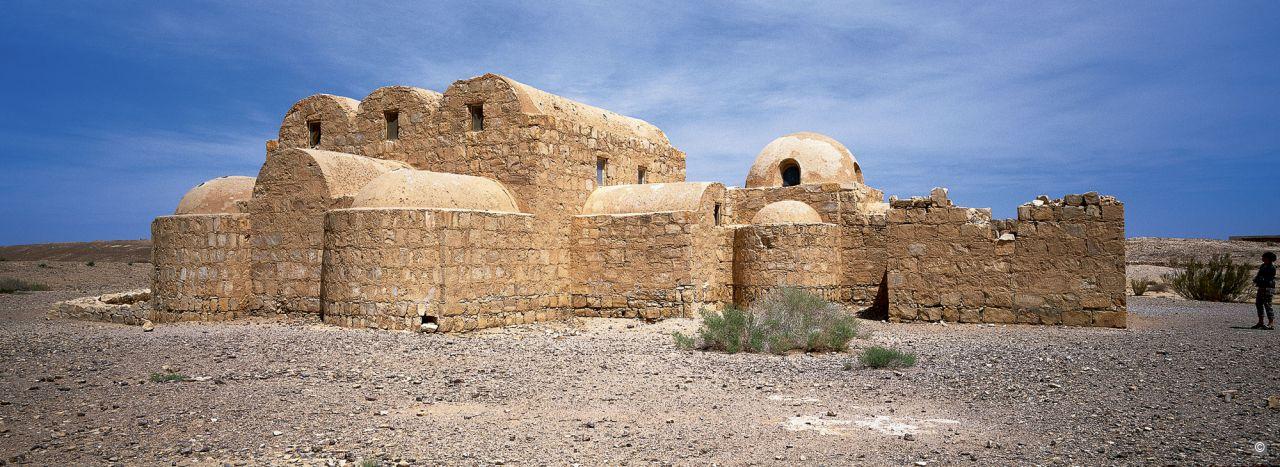
Name of Monument:
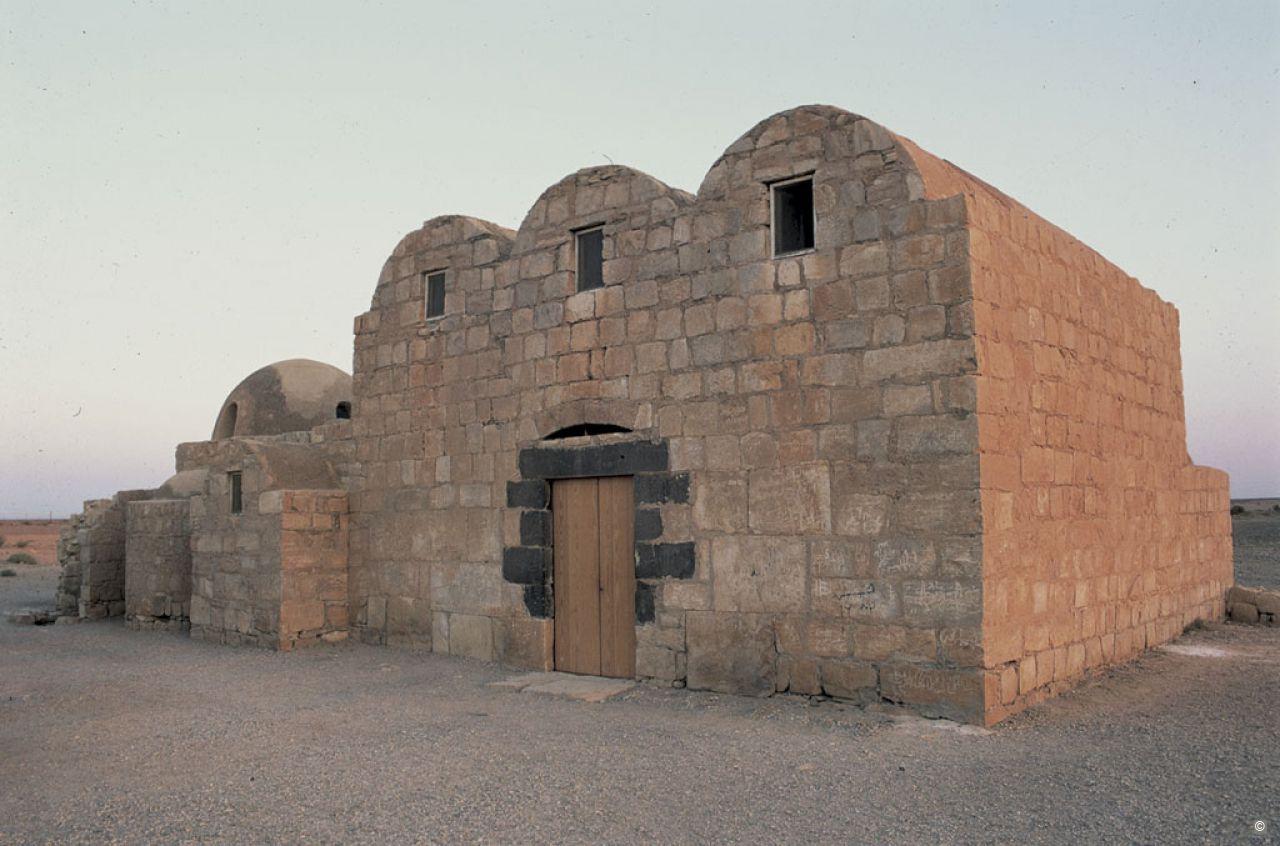
Qusayr Amra
Location:
Mafraq District, Jordan
Responsible Institution:
Department of Antiquities
 About Department of Antiquities, Mafraq District
Date of Monument:
AD 8th century; visited by Alois Musil in 1896
History:
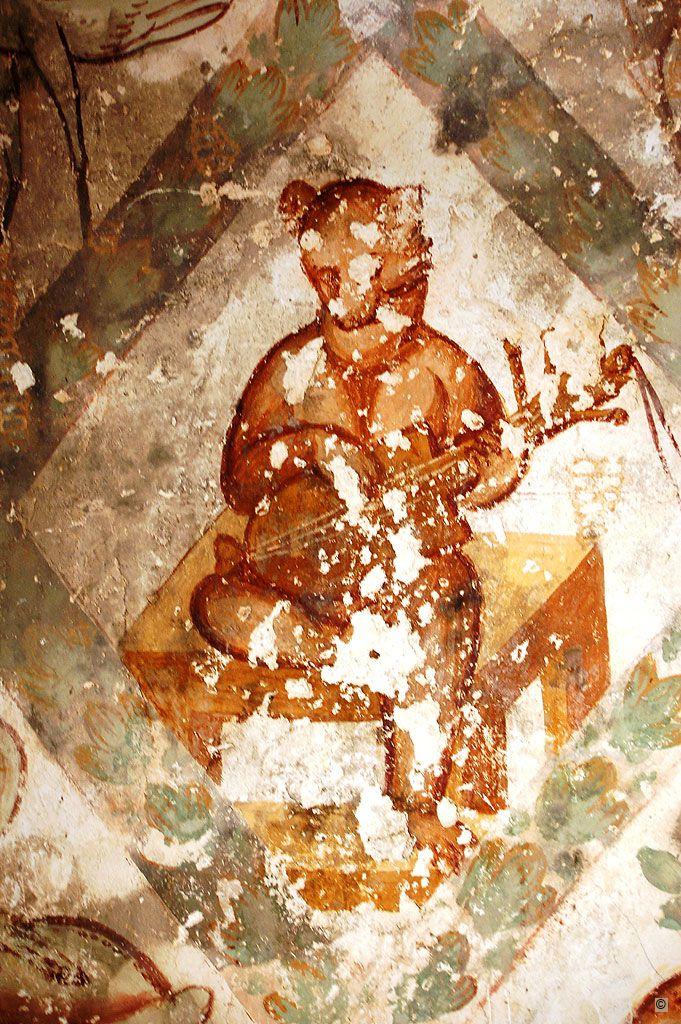
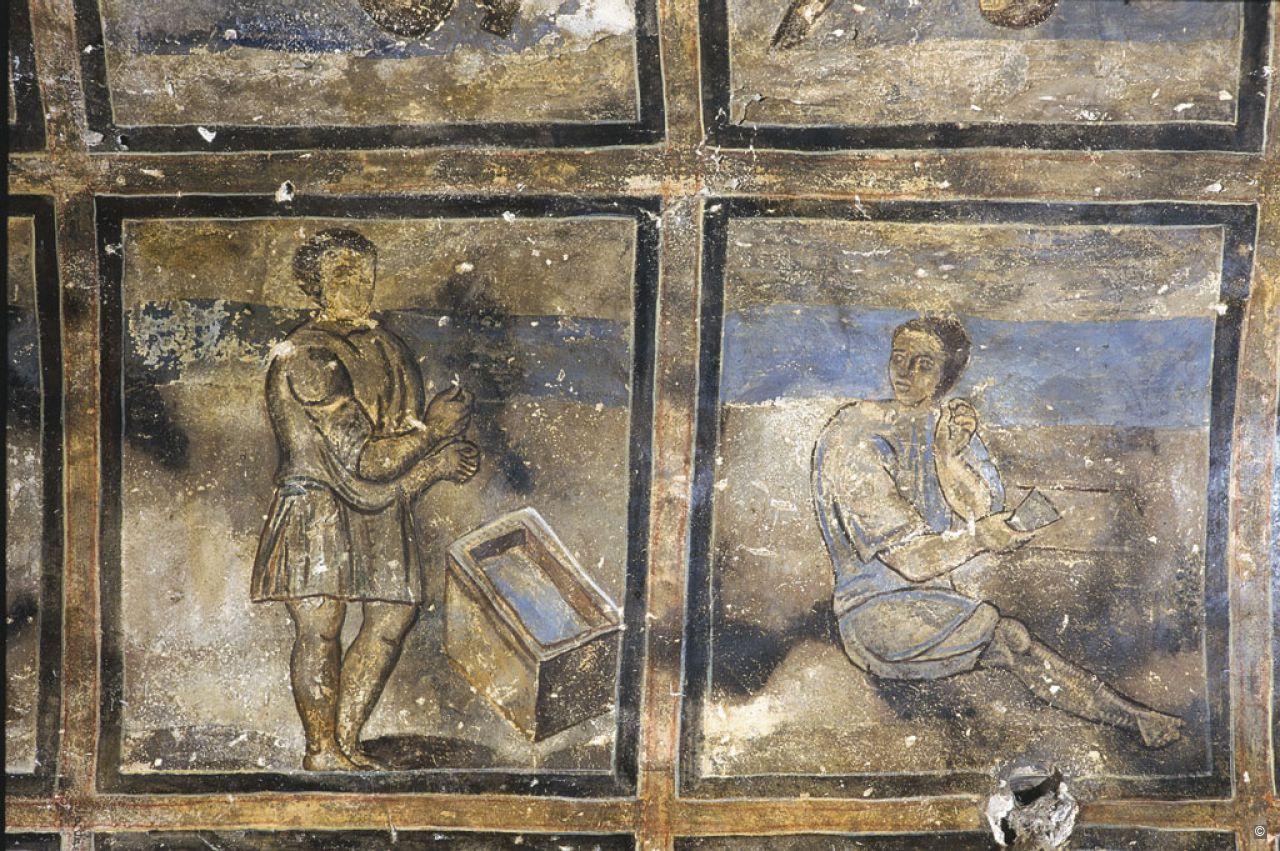
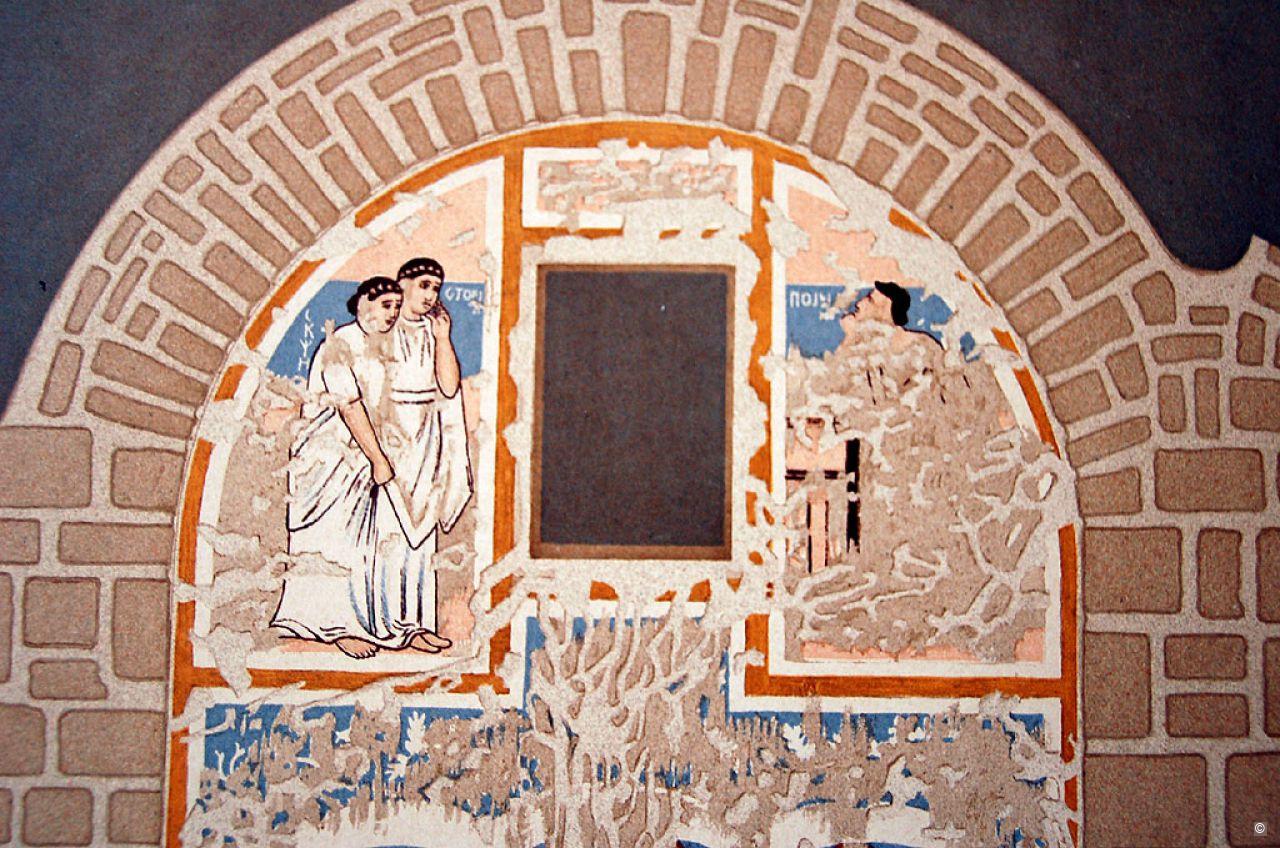
The best-known of the desert castles and a World Heritage Site. This monument was most probably built sometime between 723 and 743, by al-Walid Ibn Yazid, the future Umayyad caliph Walid II. The abandoned structure was re-discovered by Alois Musil in 1898, with the frescoes made famous in drawings by an Austrian artist named Mielich for Musil's book.
Description:
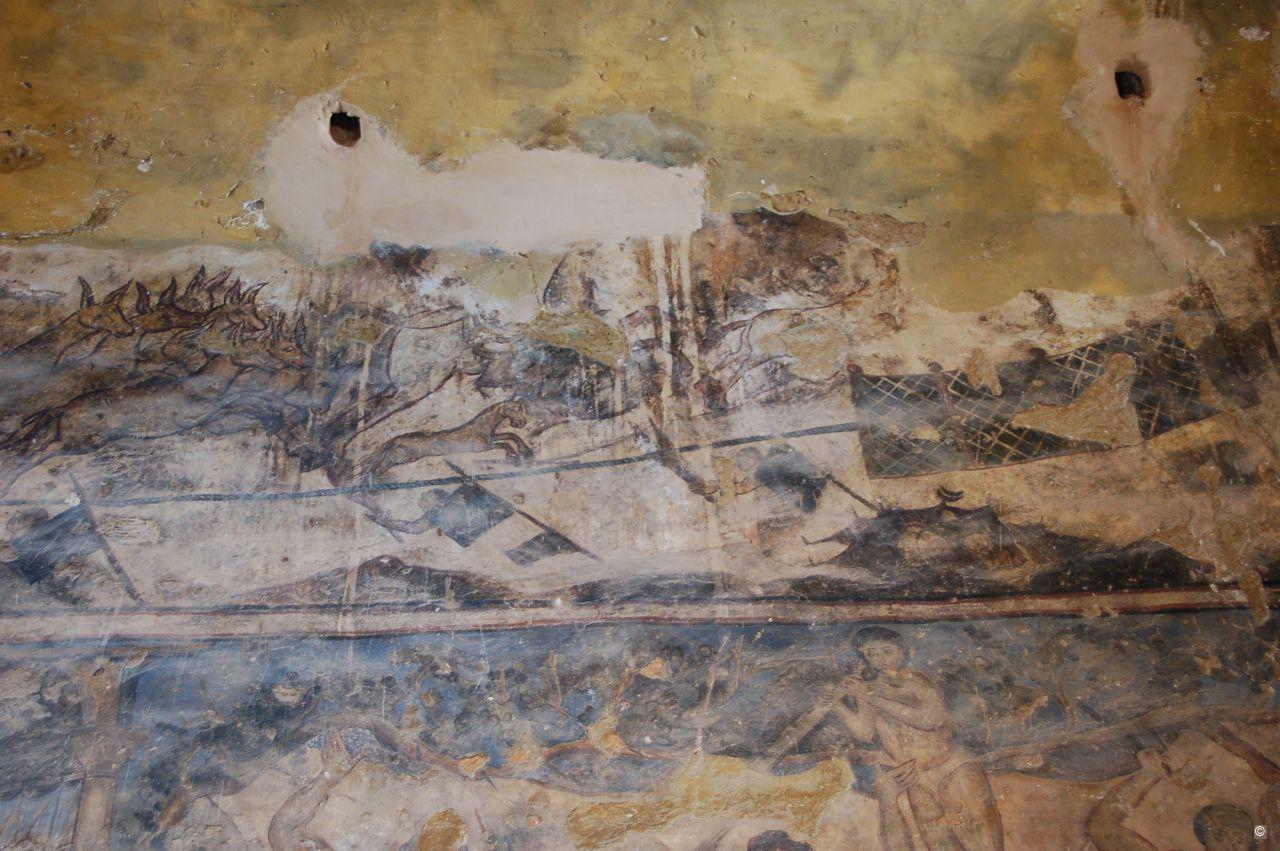
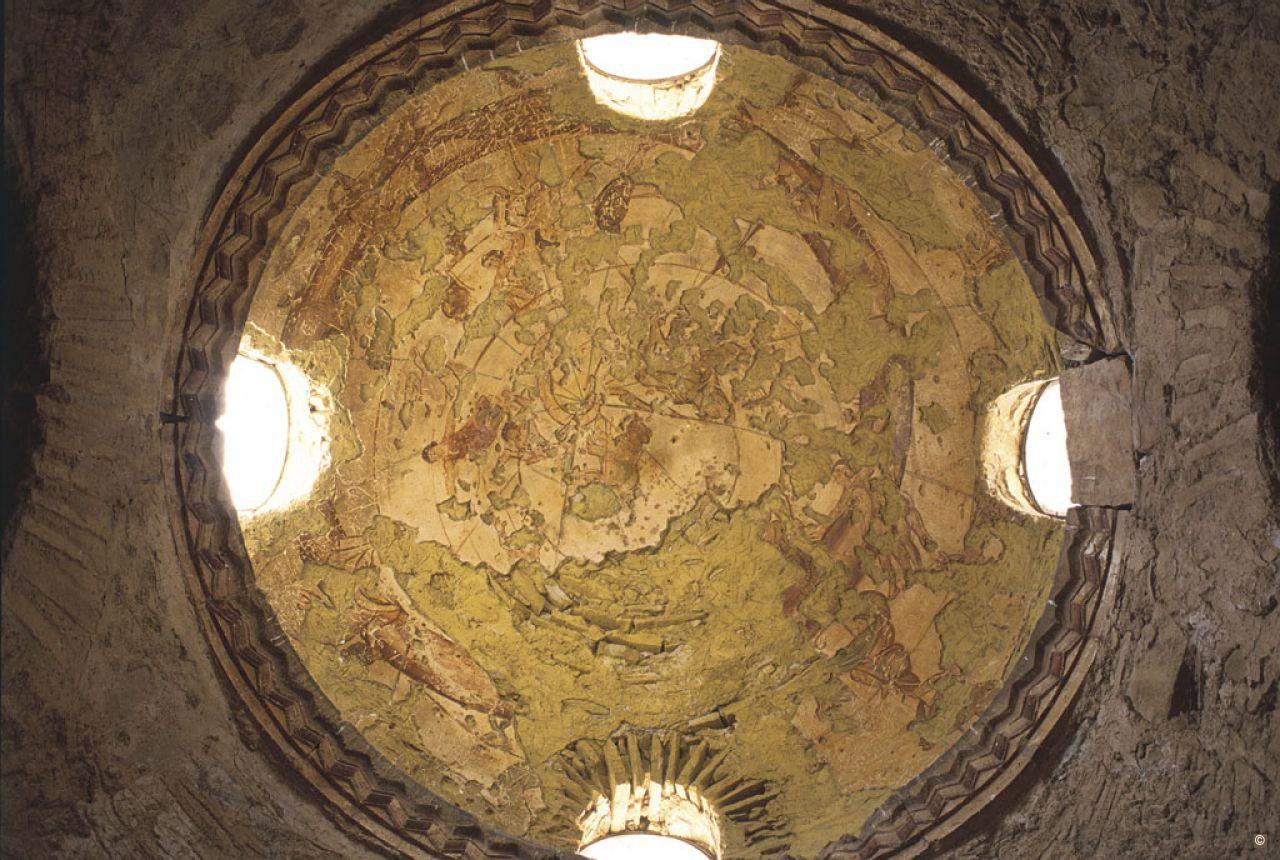
Qusayr Amra is one of few Jordanian sites that have been listed as a World Heritage site. It represents the formative stage of Islamic art and architecture. It consists of vaulted reception hall and a bath house the walls of which were richly decorated. Its famous figurative wall paintings are proof that figurative art was not prohibited outside religious contexts at least during the first two centuries of Islam.
Citation of this web page:
Mohammad Najjar "Qusayr Amra" in "Sharing History", Museum With No Frontiers, 2026.
https://sharinghistory.museumwnf.org/database_item.php?id=monument;AWE;jo;4;en
Prepared by: Mohammad Najjar
Copyedited by: Daniel de la VegaDaniel de la Vega
Daniel de la Vega is a copy editor based in Portland, Oregon. He obtained his bachelor’s degree in linguistics from the University of California at Santa Cruz in 2014 and has since done editing and localization work on everything from college applications to magazines to video game dialogue.
MWNF Working Number: JO 004
Related Content
On display in
Exhibition(s)
Sharing History
Fine And Applied Arts | Collecting | Development Of Islamic Art As A Discipline Rediscovering The Past | The Birth Of Archaeology | Islamic ArchaeologyDownload
As PDF (including images) As Word (text only)