

 Back
Back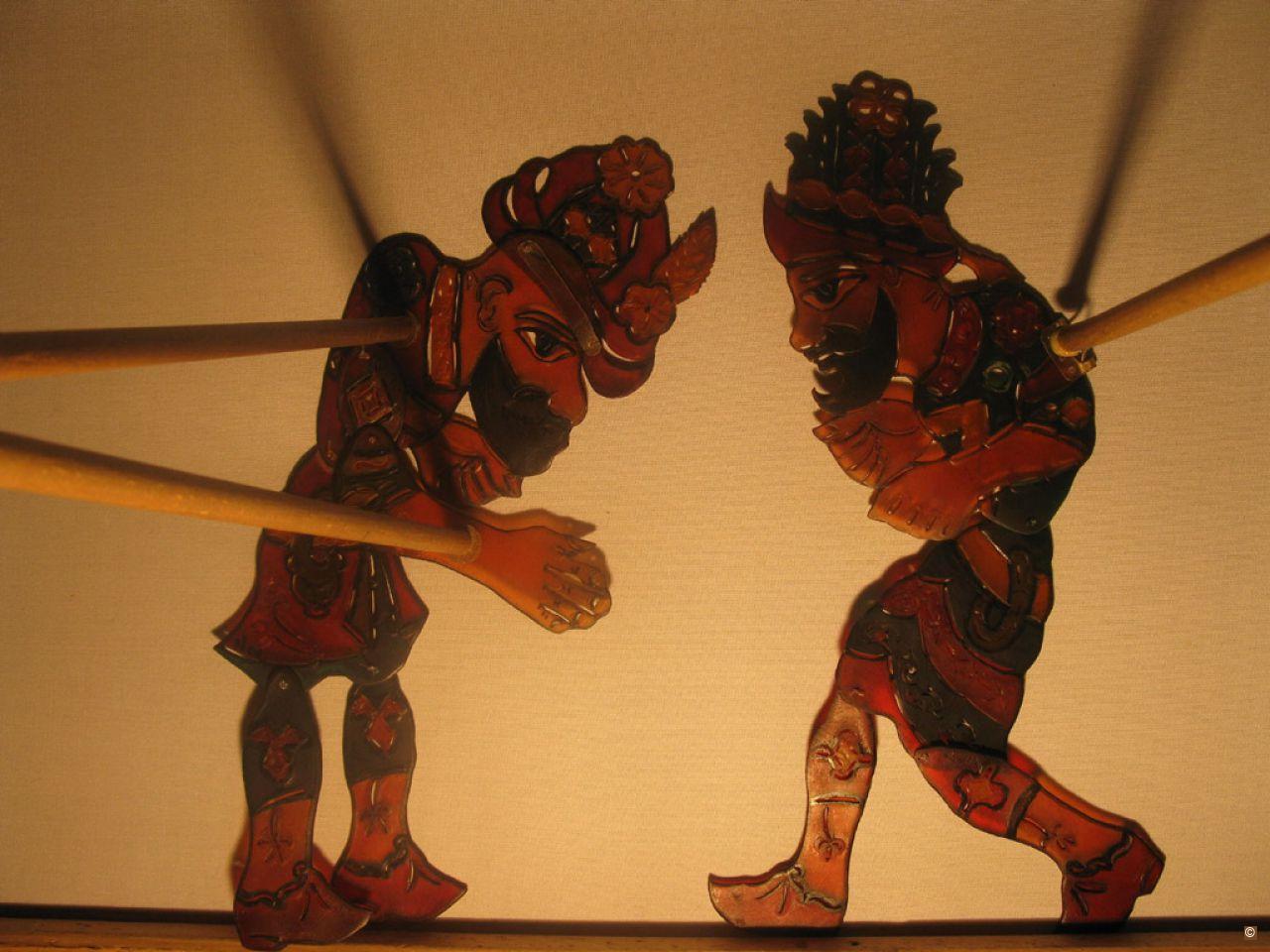
Name of Object:
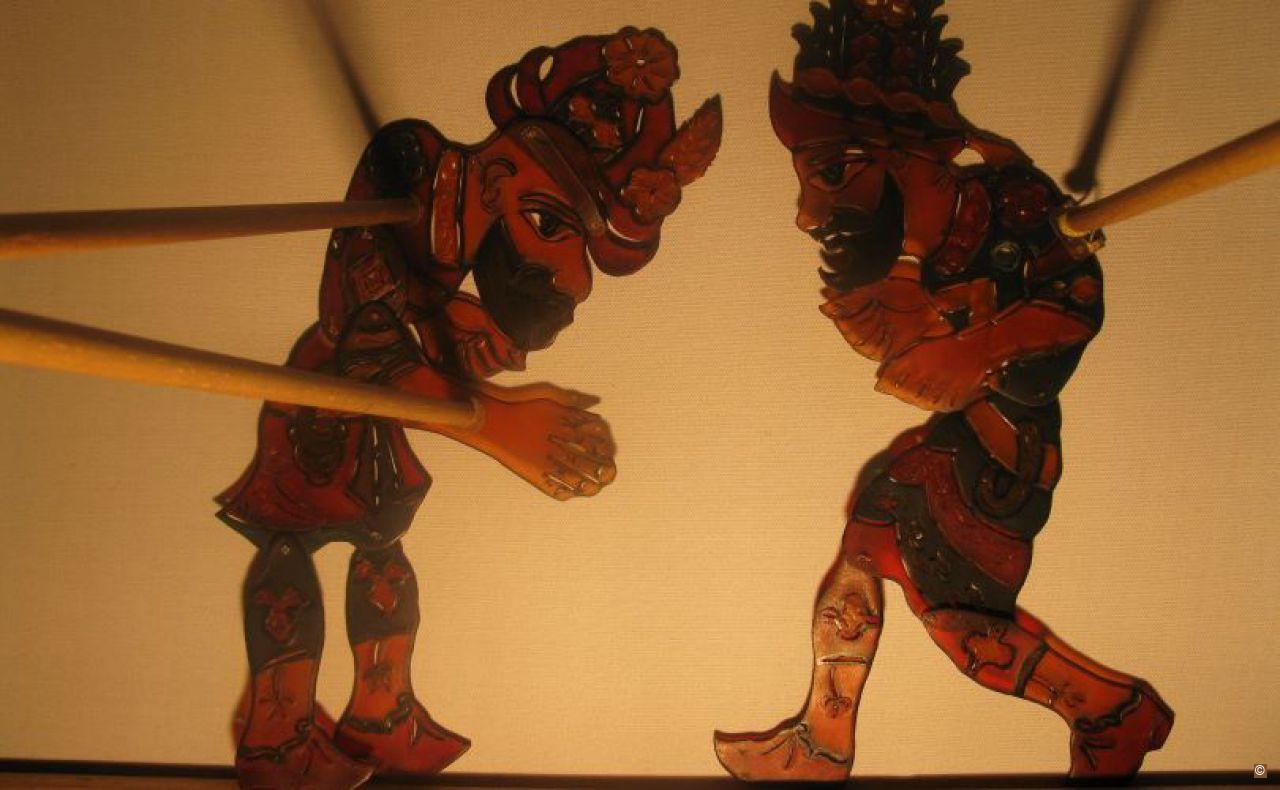
Karagöz and Hacivat Shadow Play
Location:
Bursa, Türkiye
Holding Institution:
Bursa Karagöz Museum
 About Ministry of Culture and Tourism (General Directorate for Cultural Heritage and Museums), Bursa
Material(s) / Technique(s):
Leather
Description:
Shadow play consists of solid figures being shown and moved behind a semi-transparent screen. The characters of Hacivat and Karagöz plays reflect the multi-ethnic makeup of the Ottoman Empire. They are represented with a high level of detail through their figures, attitudes, dances, etc. Shadow play received its basic character in the 17th century and developed further in the following centuries, eventually becoming one of the most popular traditional forms of entertainment among Turks. It was performed by a single artist that is called a hayali (imaginary person) or hayalbaz. One of the main characteristics of shadow play is that the hayali changes his voice and manner of speaking depending on the character he was animating.
Type of Object
Puppet
Citation of this web page:
"Karagöz and Hacivat Shadow Play" in "Sharing History", Museum With No Frontiers, 2026.
https://sharinghistory.museumwnf.org/database_item.php?id=object;AWE;tr;206;en
MWNF Working Number: TR2 202
Related Content
On display in
Exhibition(s)
Sharing History
Music, Literature, Dance And Fashion | Literature | Religious Festivals, Theatre And Drama In Arab And Ottoman Lands Music, Literature, Dance And Fashion | Dance And Entertainment | Traditional EntertainmentThe Table Is Set
Religion | Religious Festivals, Preparation and DishesDownload
As PDF (including images) As Word (text only)