

 Back
Back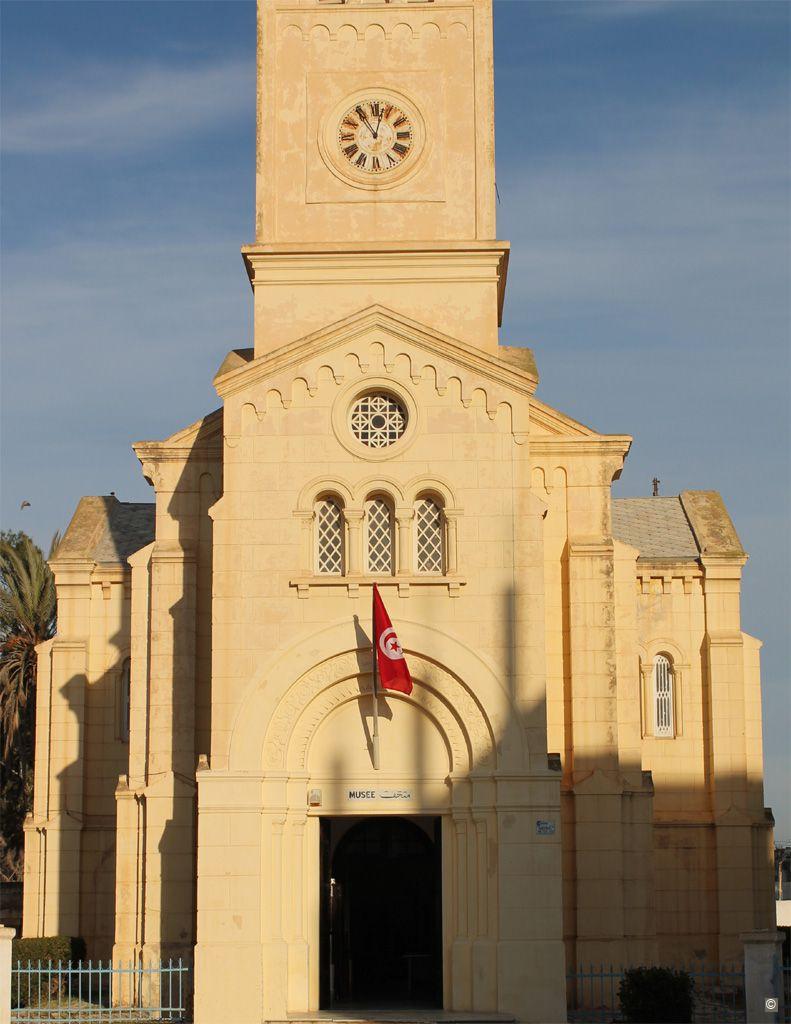
 Add to My Collection
Name of Monument:
Musée d’Enfidha
Location:
Enfidha, Tunisia
Date of Monument:
19th century
History:
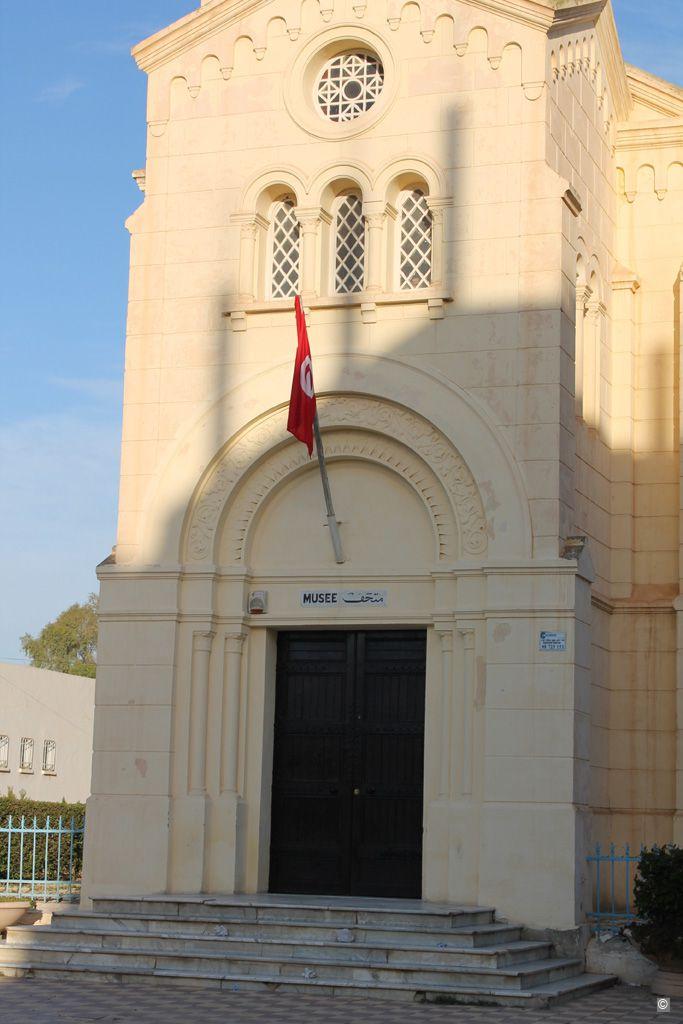
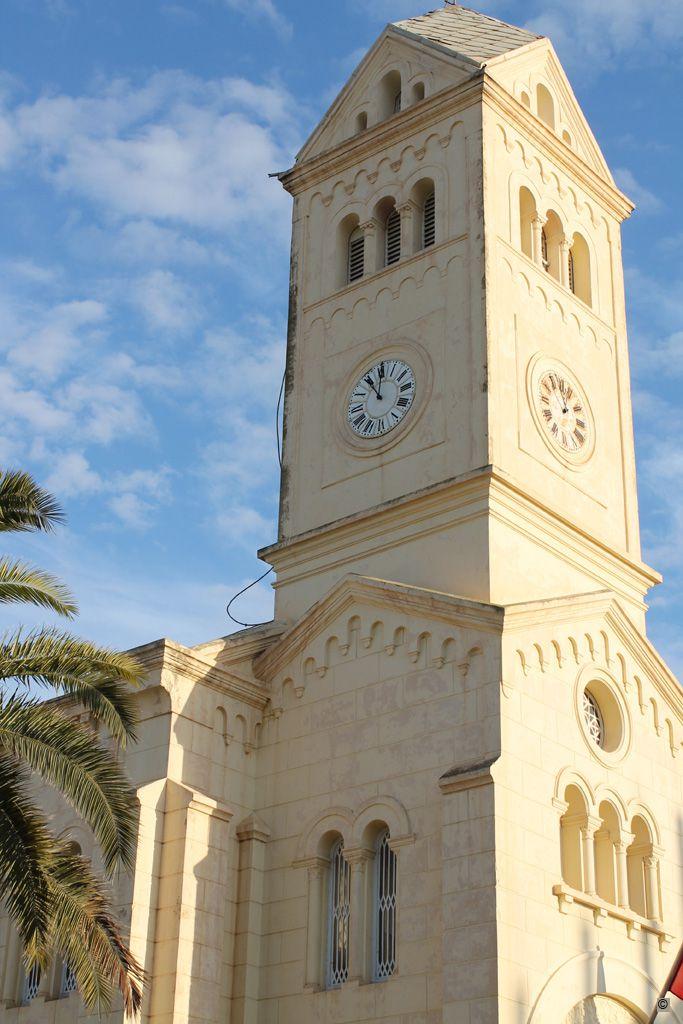
From the first, this monument was built as both a church and a museum for Tunisia's ancient Christian art. Built in a neo-Roman style in the centre of Enfidha by European colonisers, this old church was consecrated to Saint Augustine, the patron saint of Roman Africa, on 1 May 1907. In 1964 the building, which had ceased to function as a church, was turned into a regional archaeological museum.
Description:
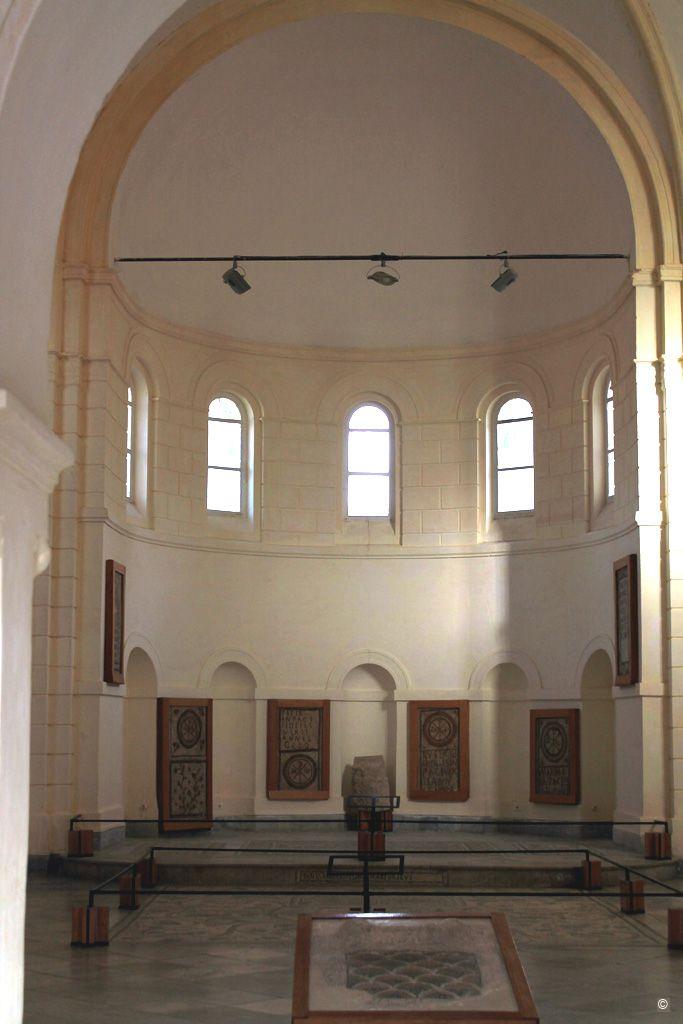
The building, whose entrance sits underneath a clock tower, is built in the shape of a Latin cross, with an apse at the end where the choir can be found. The numerous important discoveries in the region in 1901 and 1905 encouraged the directors, the Archbishop of Carthage and the Société Franco-Africaine d’Enfidha to decorate the walls of the cathedral with an impressive series of Christian mosaics, all with a funerary or martyrologic theme. The museum houses an important collection of ancient ceramics. A number of pagan funerary or votive steles from local archaeological sites can also be found in the museum.
Citation of this web page:
Saloua Khadhar Zangar "Musée d’Enfidha" in "Sharing History", Museum With No Frontiers, 2026.
https://sharinghistory.museumwnf.org/database_item.php?id=monuments;AWE;tn;26;en
Prepared by: Saloua Khadhar Zangar
Translation by: Flaminia Baldwin
MWNF Working Number: TN 026
Related Content
On display in
Exhibition(s)
Sharing History
Migrations | The Life Of European Immigrant Communities: Egypt And Tunisia | Religious Life In TunisiaDownload
As PDF (including images) As Word (text only)