

 Back
 Add to My Collection
Name of Monument:
National Museum of Archaeology
Other name of the Monument:
Jerónimos Monastery
Name in original language:
Museu Nacional de Arqueologia
Location:
Lisbon, Portugal
Responsible Institution:
General Directorate for Cultural Heritage (DGPC)
Responsible Institution (original language):
Direção-Geral do Património Cultural (DGPC)
Date of Monument:
16th century; 1893
Architect(s) / Master-builder(s):
Architects: Master Diogo Boitaca (c.1460–1527), João de Castilho (c.1470–1552), Jerónimo de Ruão (1530–1601)
History:
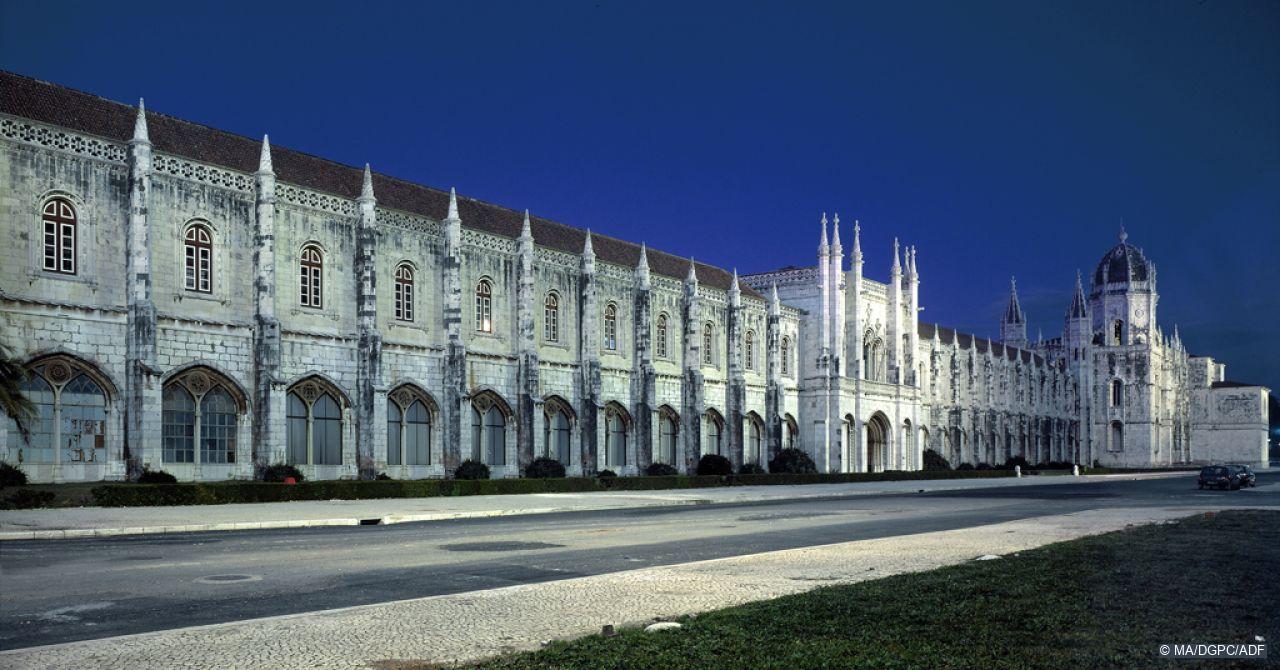
The National Museum of Archaeology was founded in 1893 inside the Monastery of Jerónimos, which is one of the most important testimonies to Portugal’s Great Discoveries. With 120 years of existence, the museum became a reference institution of Portuguese Archaeology having regular contacts with museums, universities and research centers across the globe.
Description:
The Jerónimos Monastery is one of the most important examples of Manueline architecture. Its church, built in a lengthwise plan to the design of Boitaca, is divided into three naves topped by a flattened vault supported by eight towering octagonal pillars. This system provides a unified and luminous space. The main portal, which also gives access to the cloister, boasts a statuary programme depicting the Nativity. The church’s side portal, by João de Castilho, features sculptural images of the Virgin, the Apostles, Prophets, Doctors of the Church and angels. The museum is located in the monastery’s west wing which held the monks’ dormitories in the past.
Citation of this web page:
DGPC "National Museum of Archaeology" in "Sharing History", Museum With No Frontiers, 2026.
https://sharinghistory.museumwnf.org/database_item.php?id=monuments;AWE;pt;9;en
Prepared by: DGPC
MWNF Working Number: PT 013