

 Back
 Add to My Collection
Name of Monument:
Lisbon Botanical Garden
Other name of the Monument:
Botanical Garden of the University of Lisbon
Name in original language:
Jardim Botânico de Lisboa
Location:
Lisbon, Portugal
Responsible Institution:
National Museum of Natural History and Science (MUHNAC) / Museums of the University of Lisbon
Responsible Institution (original language):
Museu Nacional da Historia Natural e da Ciencia (MUHNAC)
Date of Monument:
Starting of plantation: 1873; opened to the public: 1878; belongs to the University of Lisbon since 1911
Architect(s) / Master-builder(s):
Ordered by Manuel Melo Breyner, Conde de Ficalho (1837–1903). Author of the design and arrangement of the Order Beds: German botanist Goeze Edmund (1838–1929), Arboretum: French botanist Jules Daveau (1852–1929)
History:
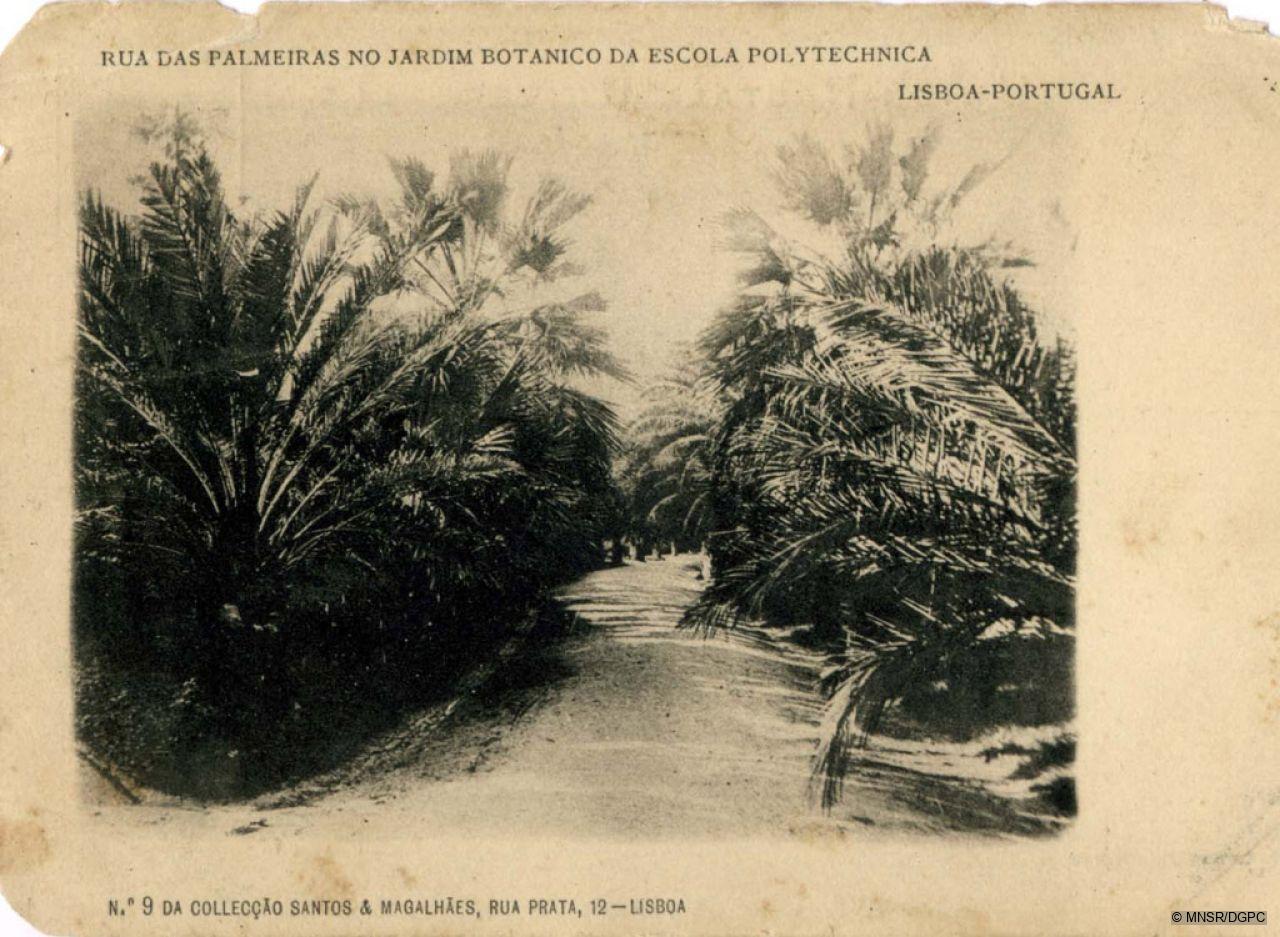
Since its creation in 1837, the Polytechnic School is committed to use the Botanical Garden to support teaching and research in Botany. This purpose was firstly achieved at the Royal Botanical Garden at Ajuda, whose scientific and administrative supervision passed to the Polytechnic School in 1839. The installation of the new garden begins in 1873, on the initiative of Conde de Ficalho (1837–1903), and it opens to the public in 1878. In the 20th century, a new Herbarium building was added (1942) and, in 1962, a new Greenhouse replacing the original one, degraded by use and by the bombings of 1927. Topographically the Botanic Garden consists of two distinct parts – a flat area, dedicated to systematic botany and a gentle slope with the collection of trees and shrubs (Arboretum).
Description:
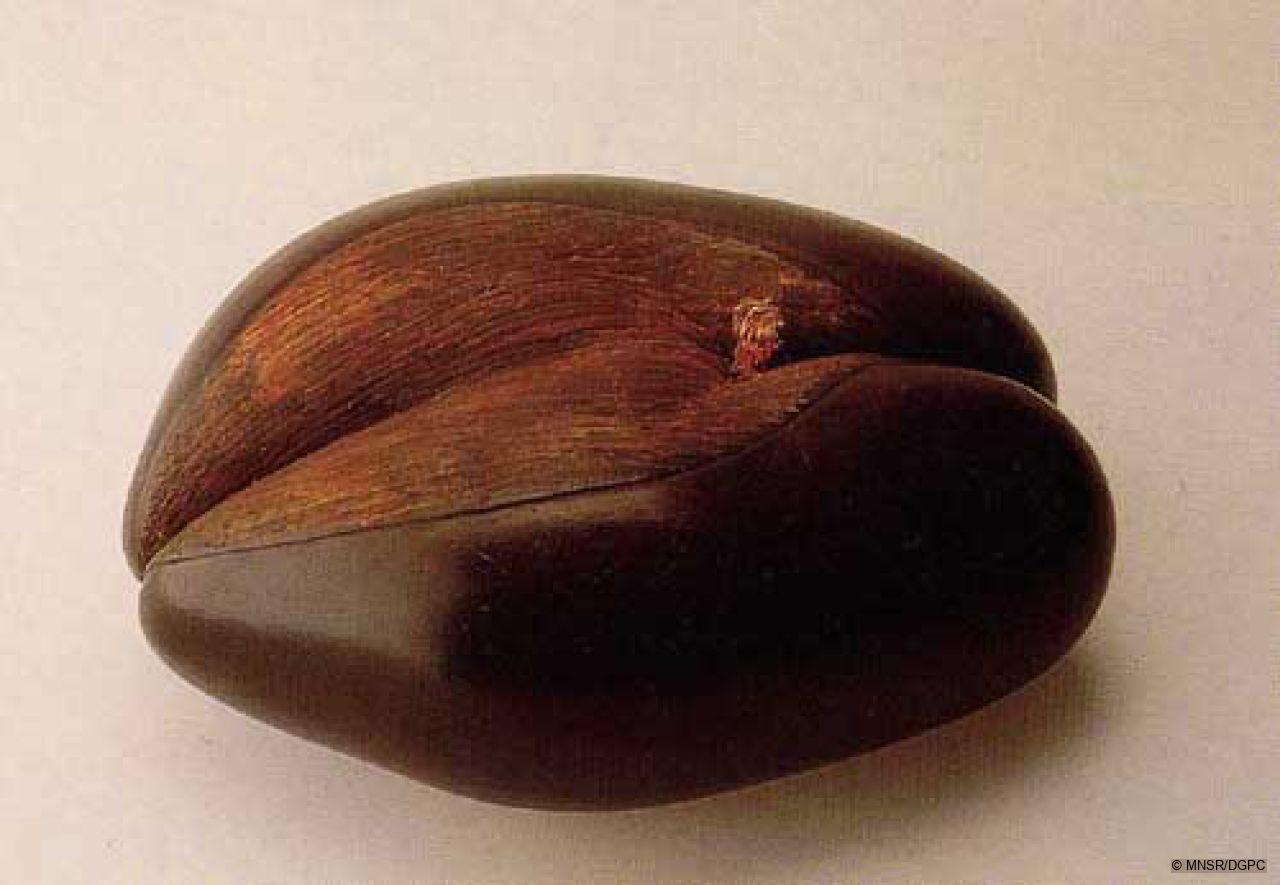
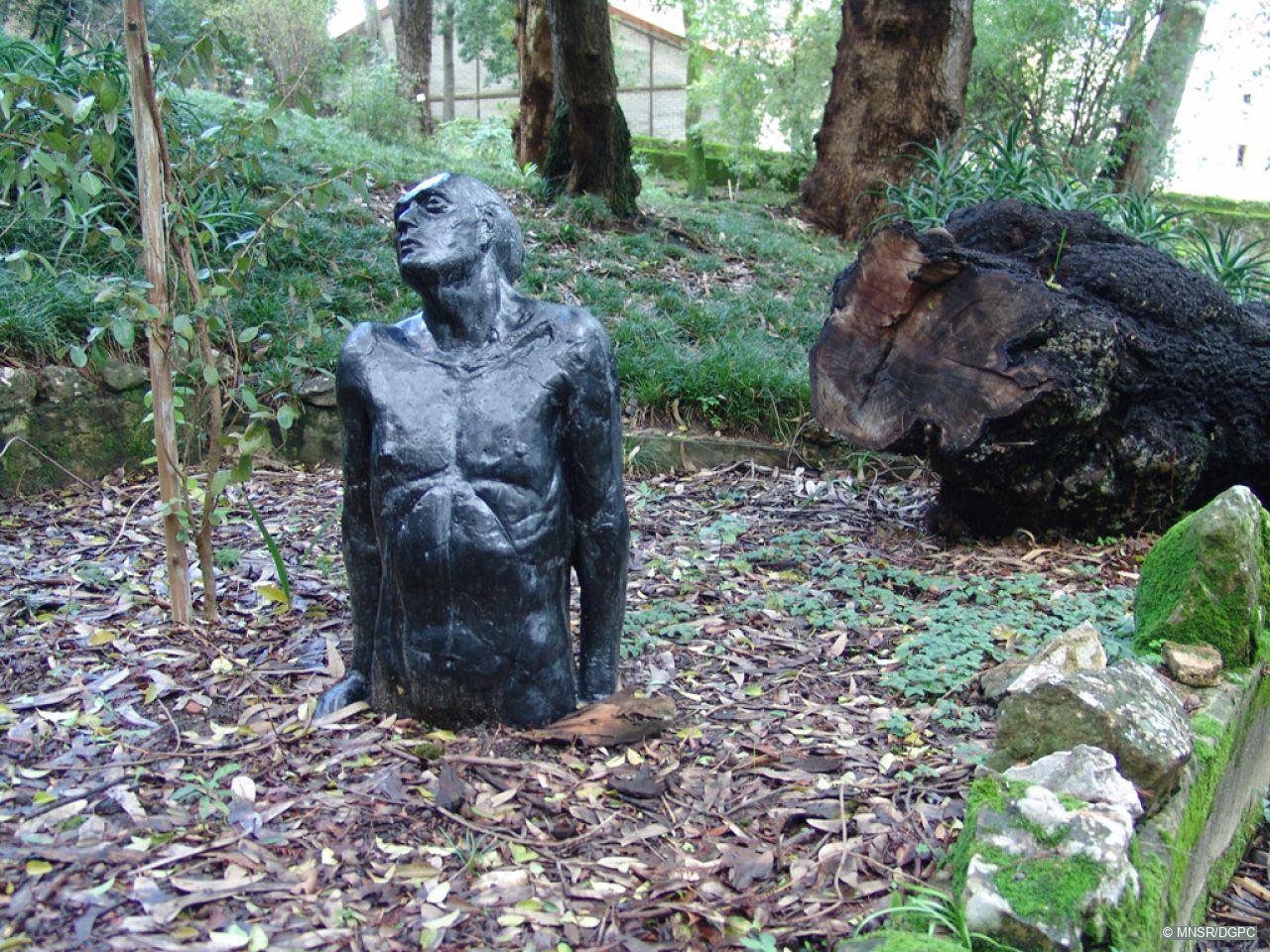
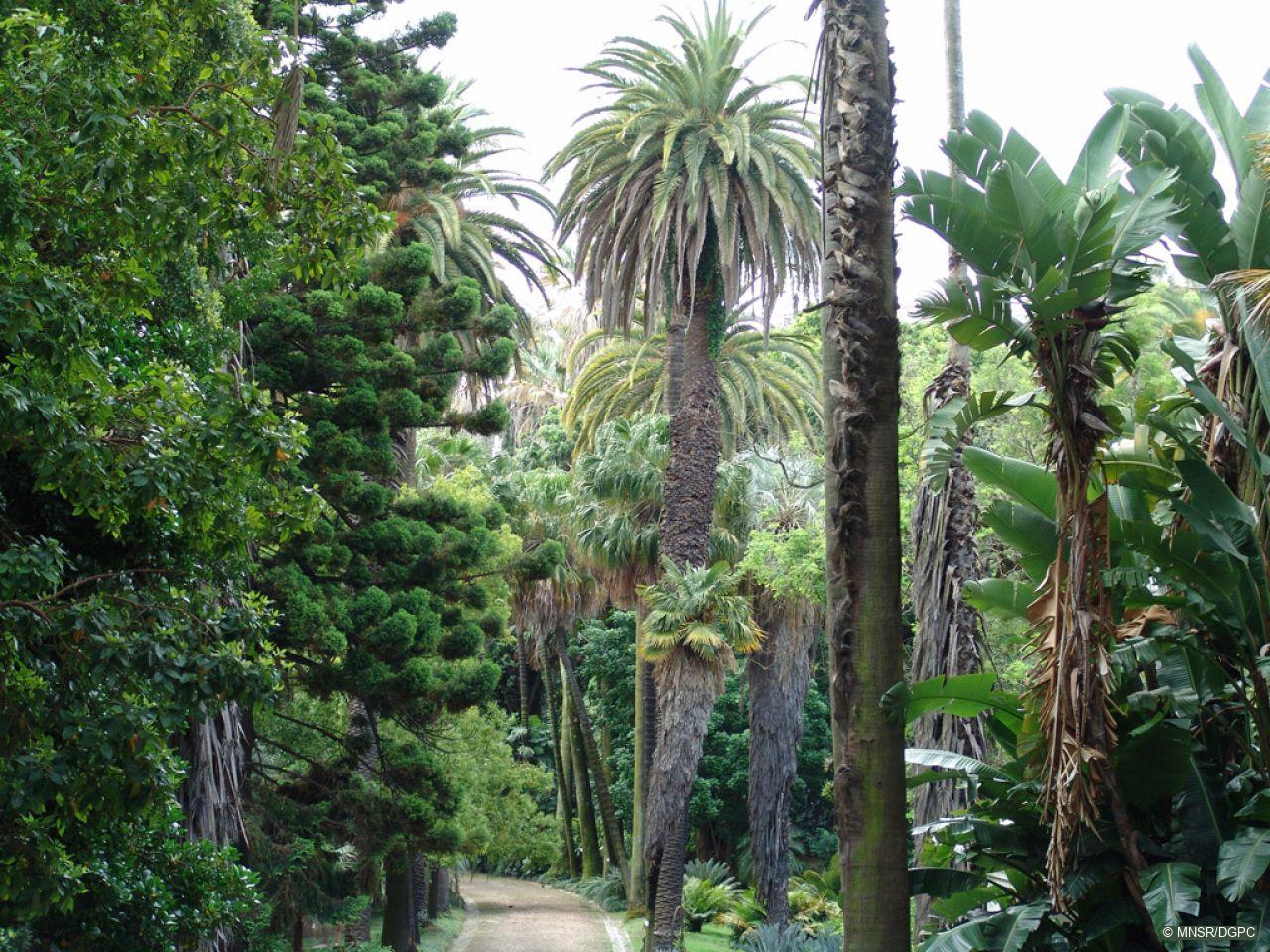
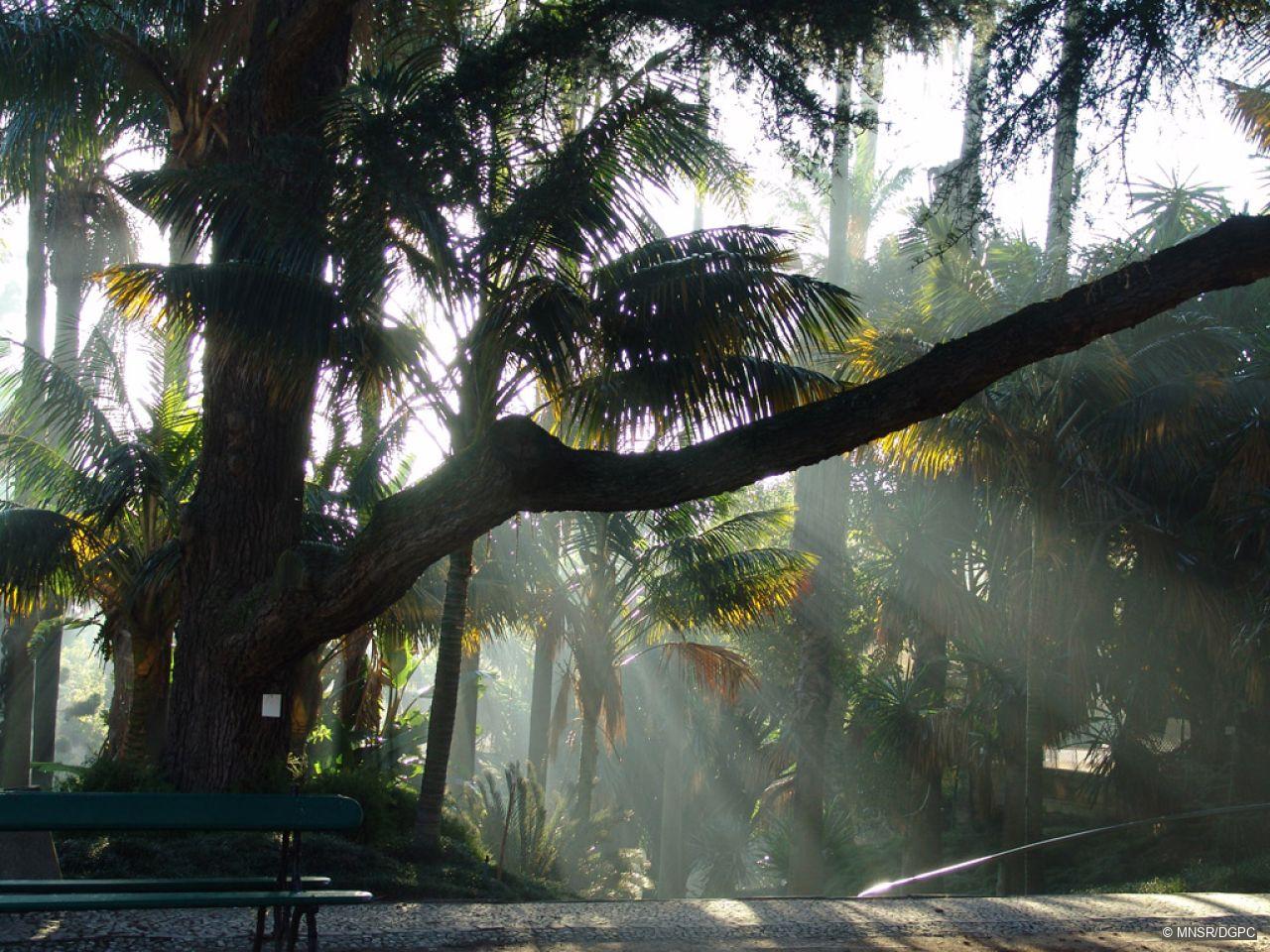
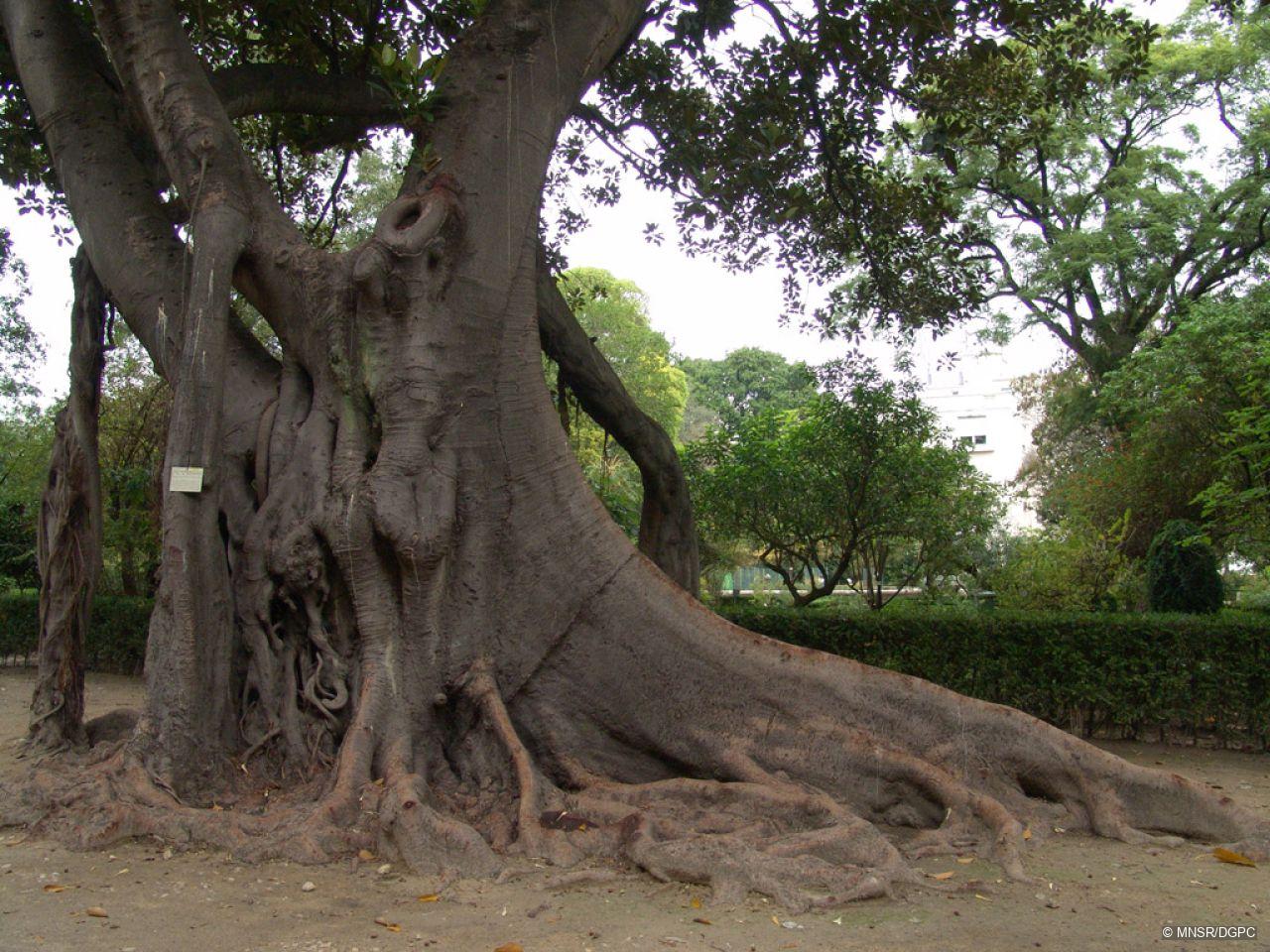
The Garden holds more than 1,500 specimens over 4 acres, highlighting a remarkable diversity of palms and a unique collection of Cycadaceae, with exemplars only surviving in some parts of the world. It is also rich in species from New Zealand, Australia, China, Japan and South America, demonstrating the peculiarities of different microclimates created by its topography. The Garden fulfils also national requirements, both by the universality of its collection, and by the quality and quantity of the associated collections (herbaria, wood collections, seed bank). Furthermore, it includes relevant edified heritage, designed by important Portuguese architects from the 19th and 20th centuries.
Citation of this web page:
Catarina Teixeira (MUHNAC-UL), David Felismino (MUHNAC-UL) "Lisbon Botanical Garden" in "Sharing History", Museum With No Frontiers, 2026.
https://sharinghistory.museumwnf.org/database_item.php?id=monuments;AWE;pt;8;en
Prepared by: Catarina Teixeira (MUHNAC-UL), David Felismino (MUHNAC-UL)
MWNF Working Number: PT 010