

 Back
Back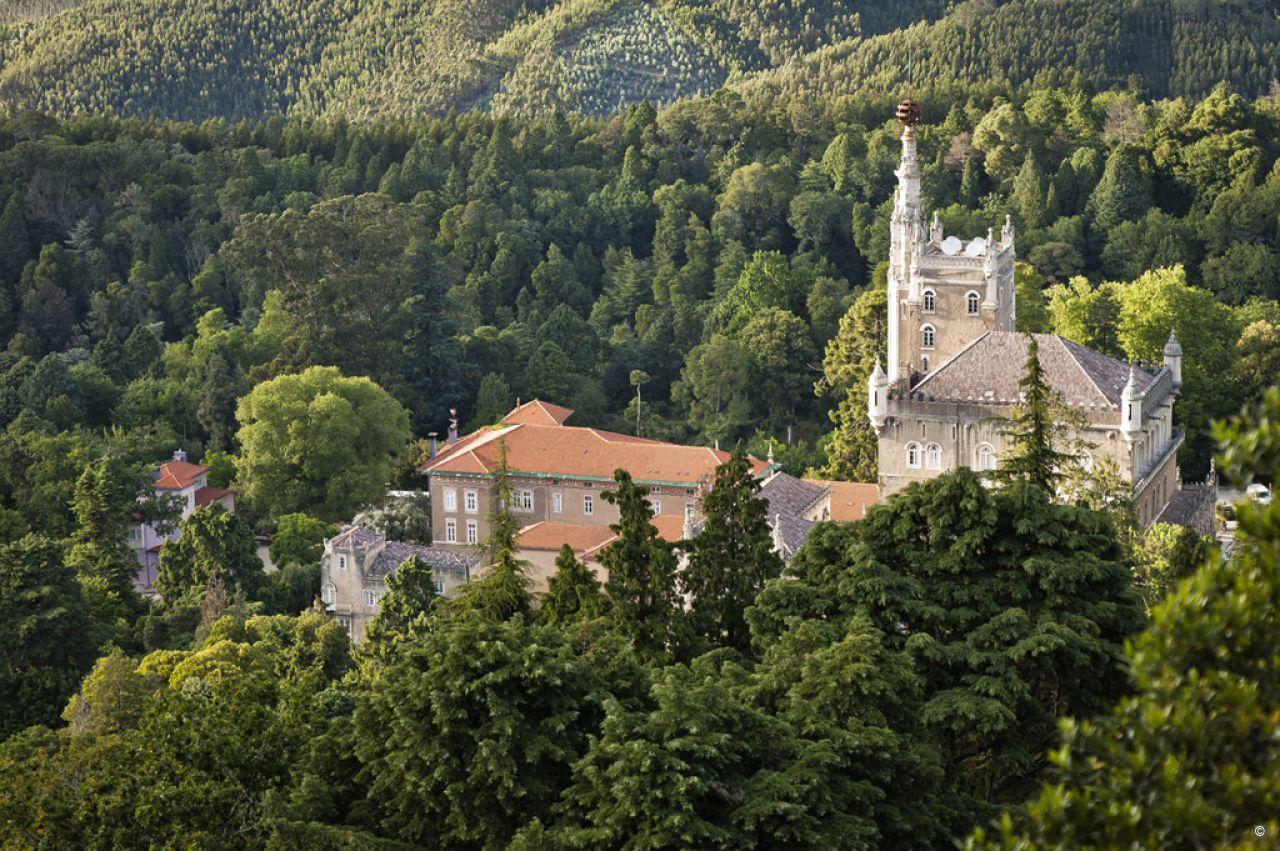
 Add to My Collection
Name of Monument:
Monumental Ensemble of Bussaco
Name in original language:
Conjunto Monumental do Bussaco
Location:
Mata Nacional do Buçaco, Portugal
Responsible Institution:
Mata do Buçaco Foundation
Responsible Institution (original language):
Fundação Mata do Buçaco
Date of Monument:
19th–20th centuries
Architect(s) / Master-builder(s):
Luigi Manini (scenographer and architect); architects: Nicola Bigaglia, Manuel Joaquim Norte Júnior, José Alexandre Soares, José Paulo dos Santos; tilework: Jorge Colaço; painters: António Ramalho, Veloso Salgado, Carlos Reis, João Vaz e Ernesto Condeixa; sculptors: António Augusto Gonçalves, Costa Mota, Simões de Almeida Sobrinho, João Machado; stonemasons: Bernardo António Figueiredo, João das Neves Machado, Manuel Francisco, António de Sousa Lemos, Manoel Cardoso, José Barata, José Fonseca, António Joaquim, Alberto Caetano, José Ferreira e Anacleto Garcia
History:
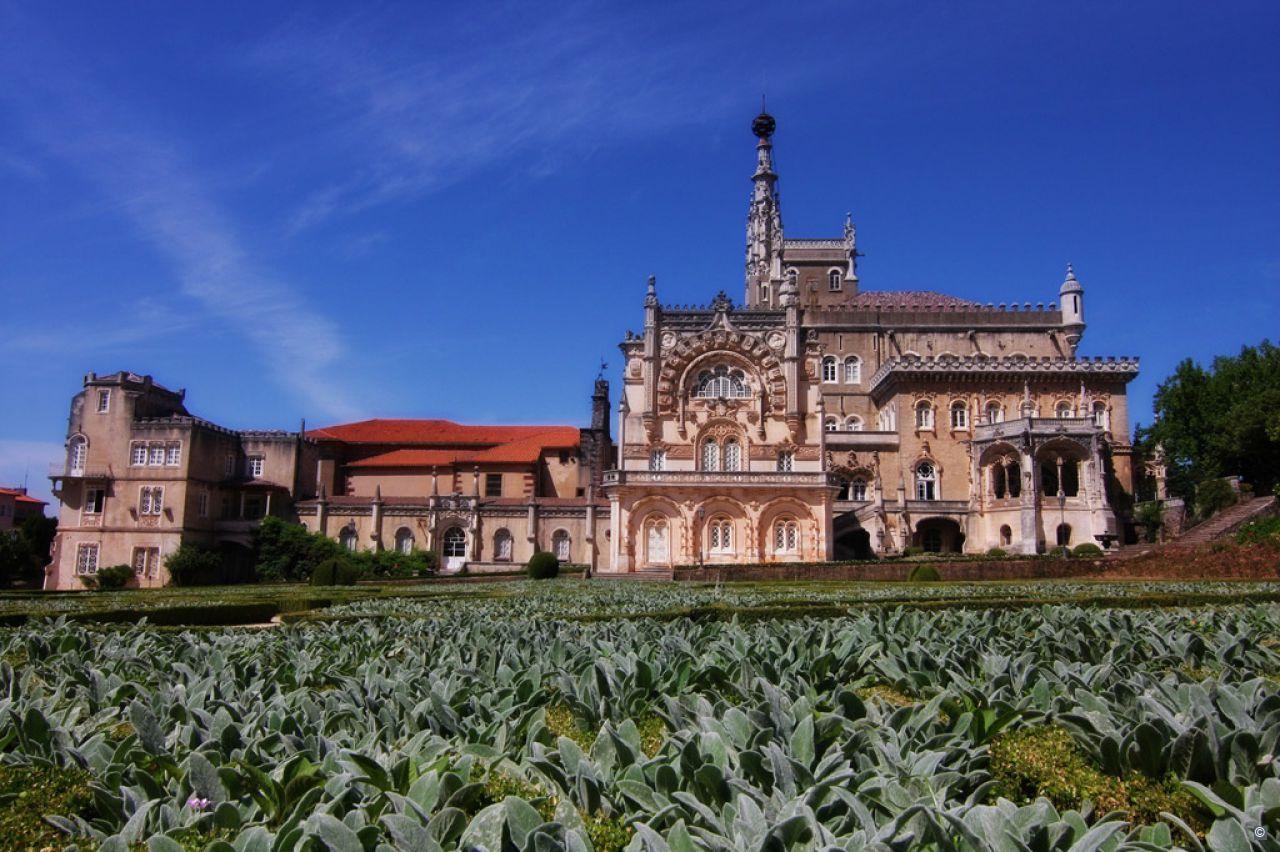
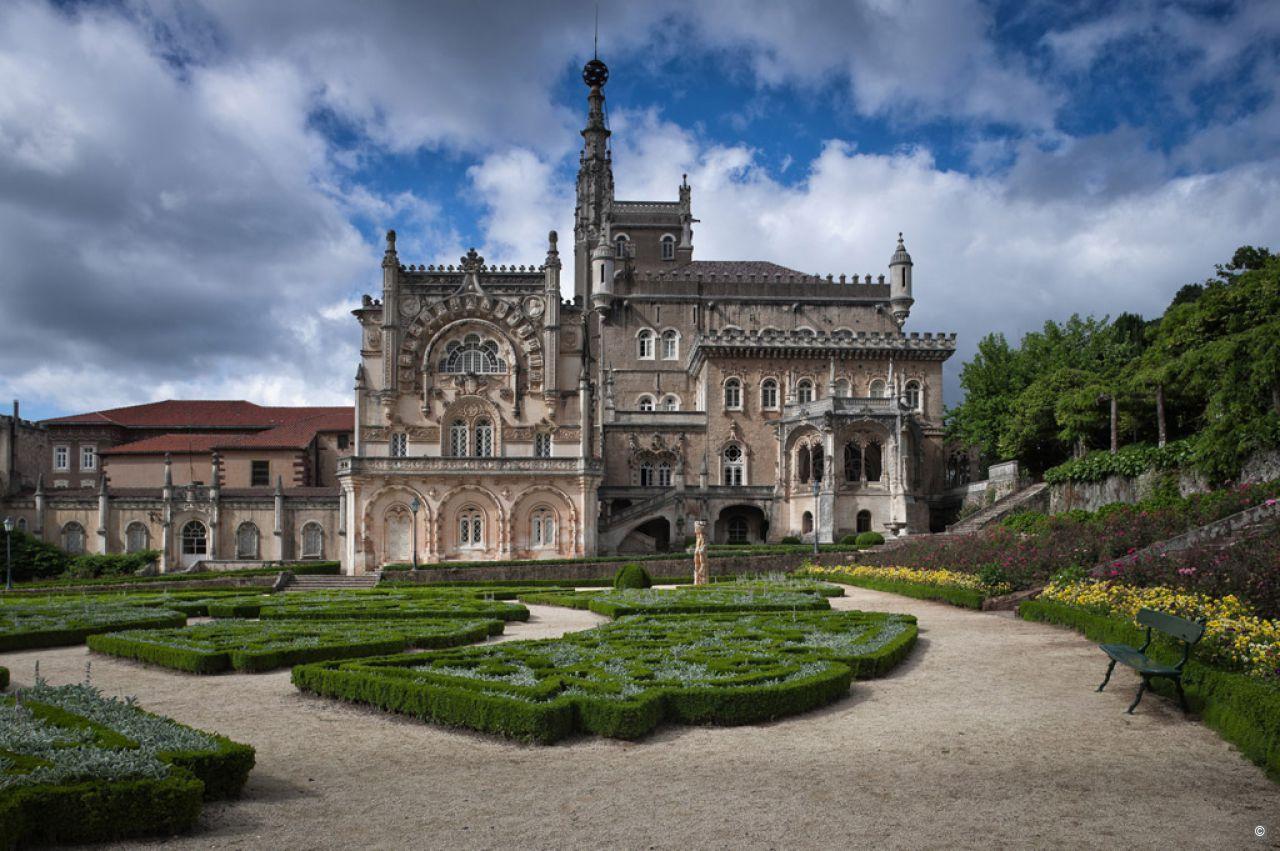
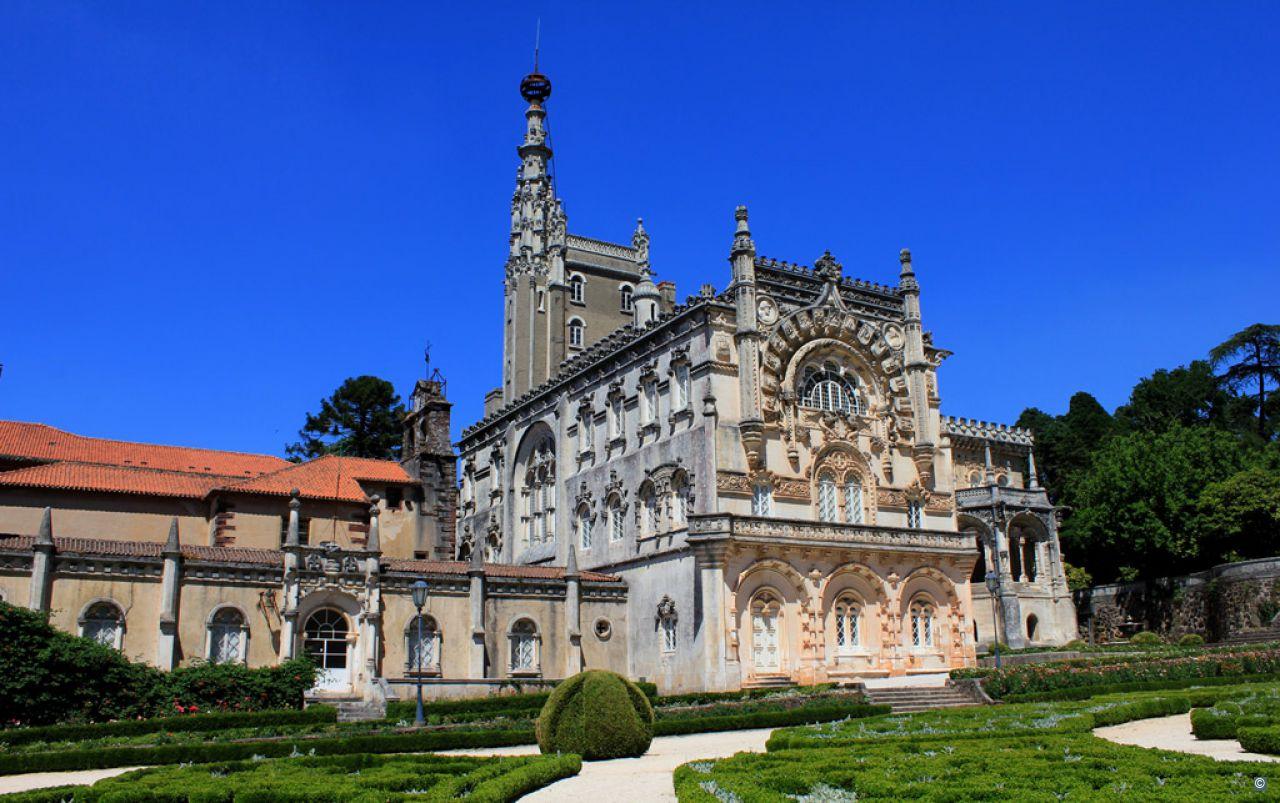
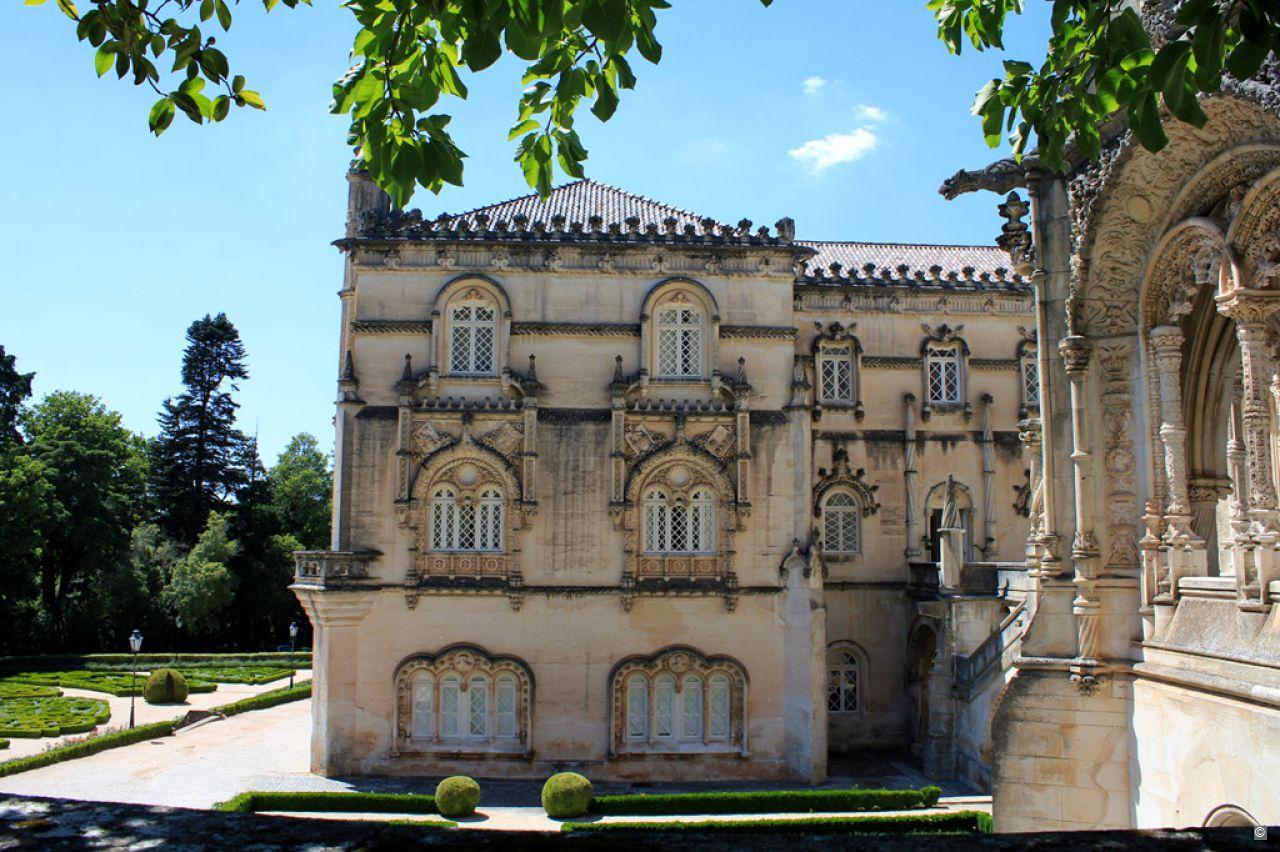
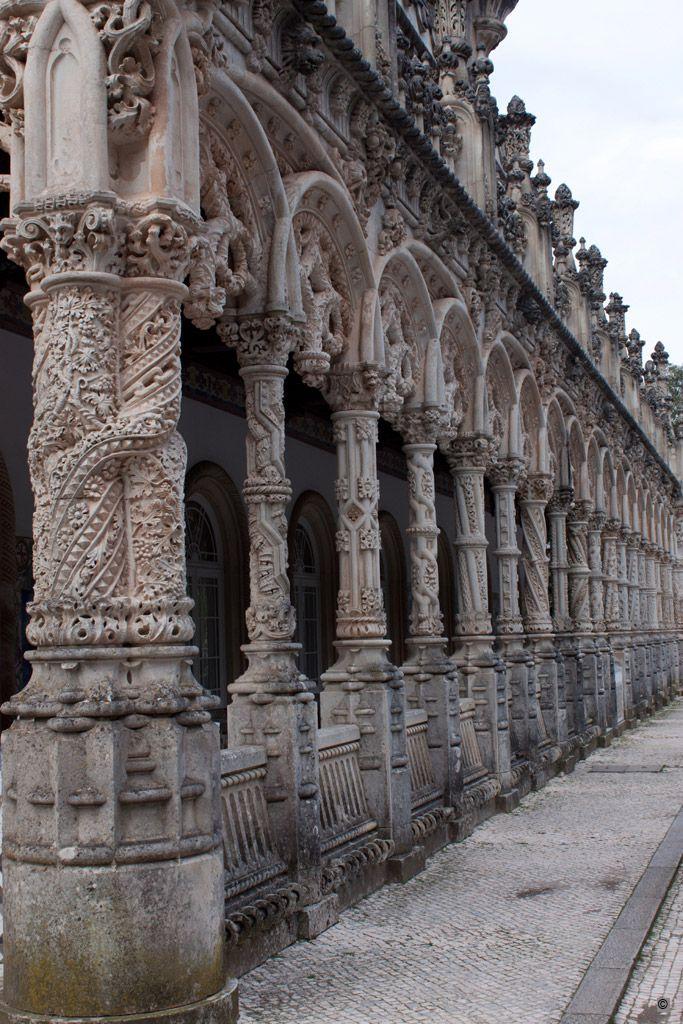
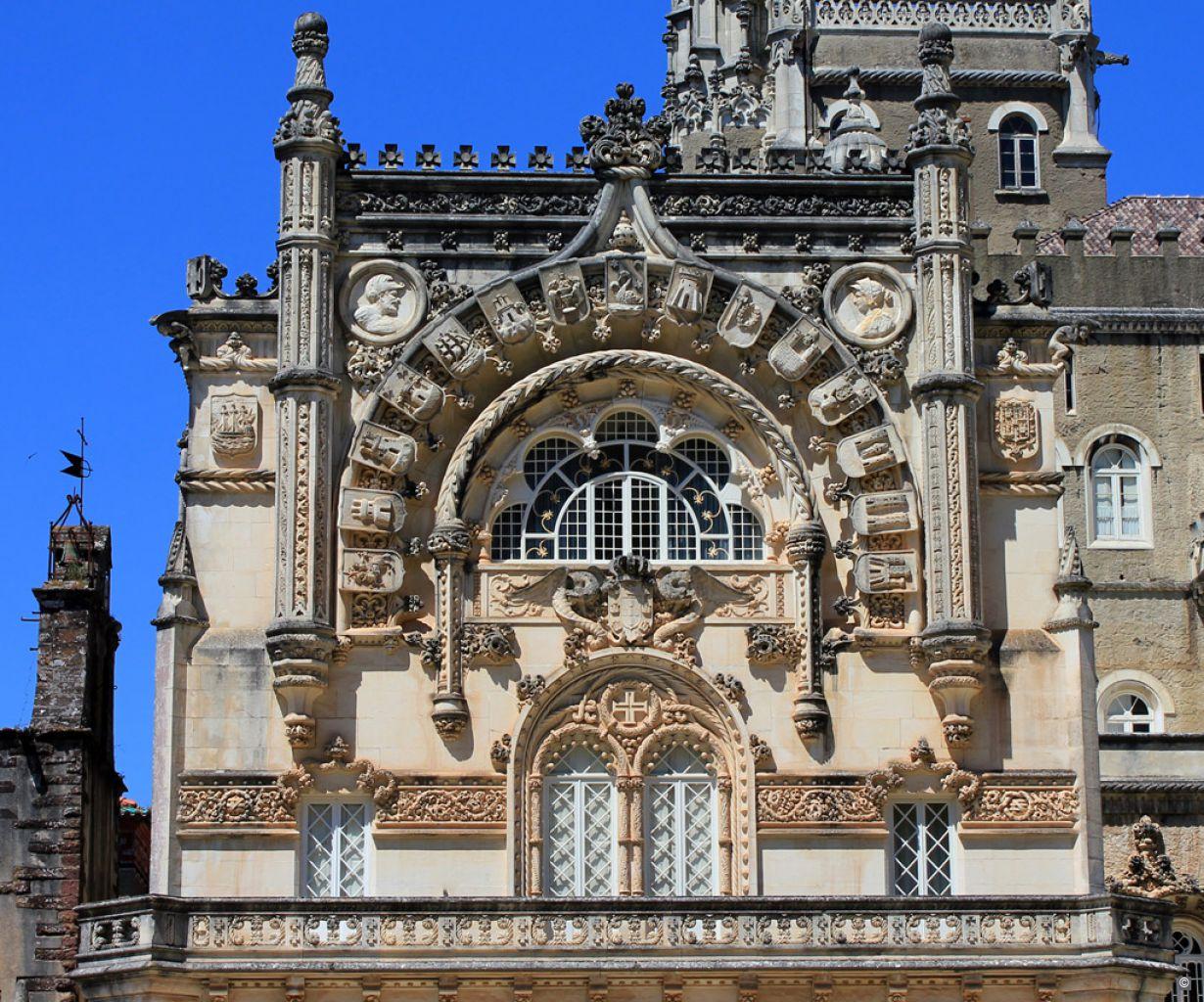
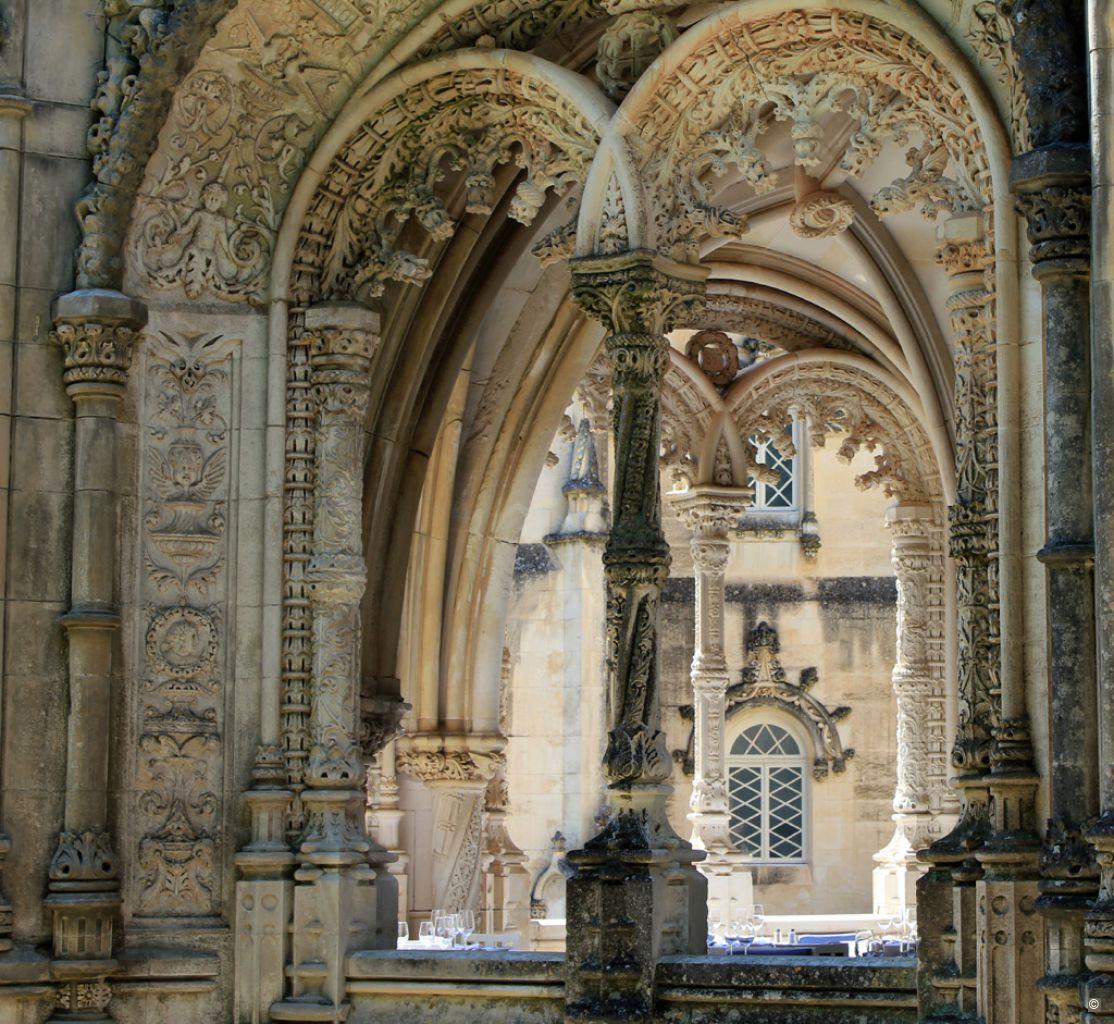
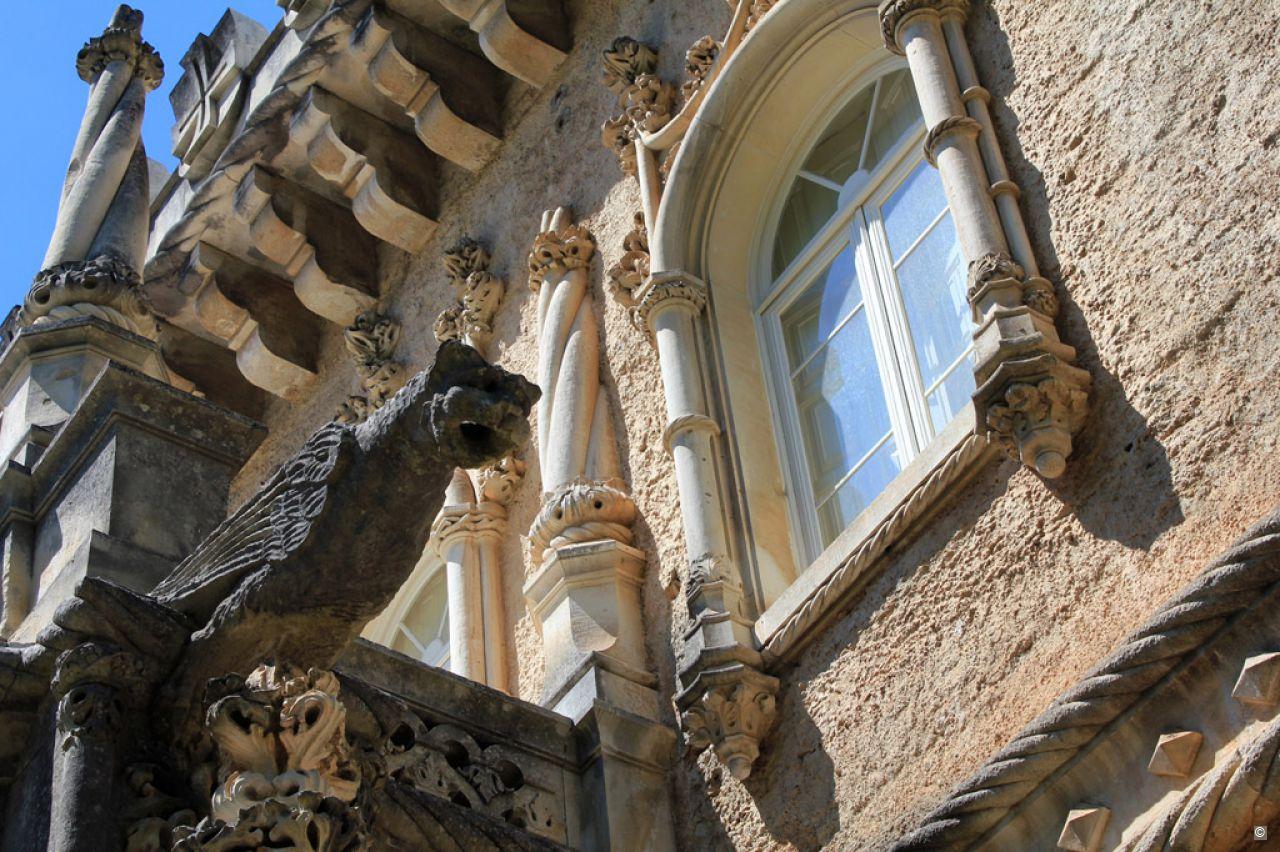
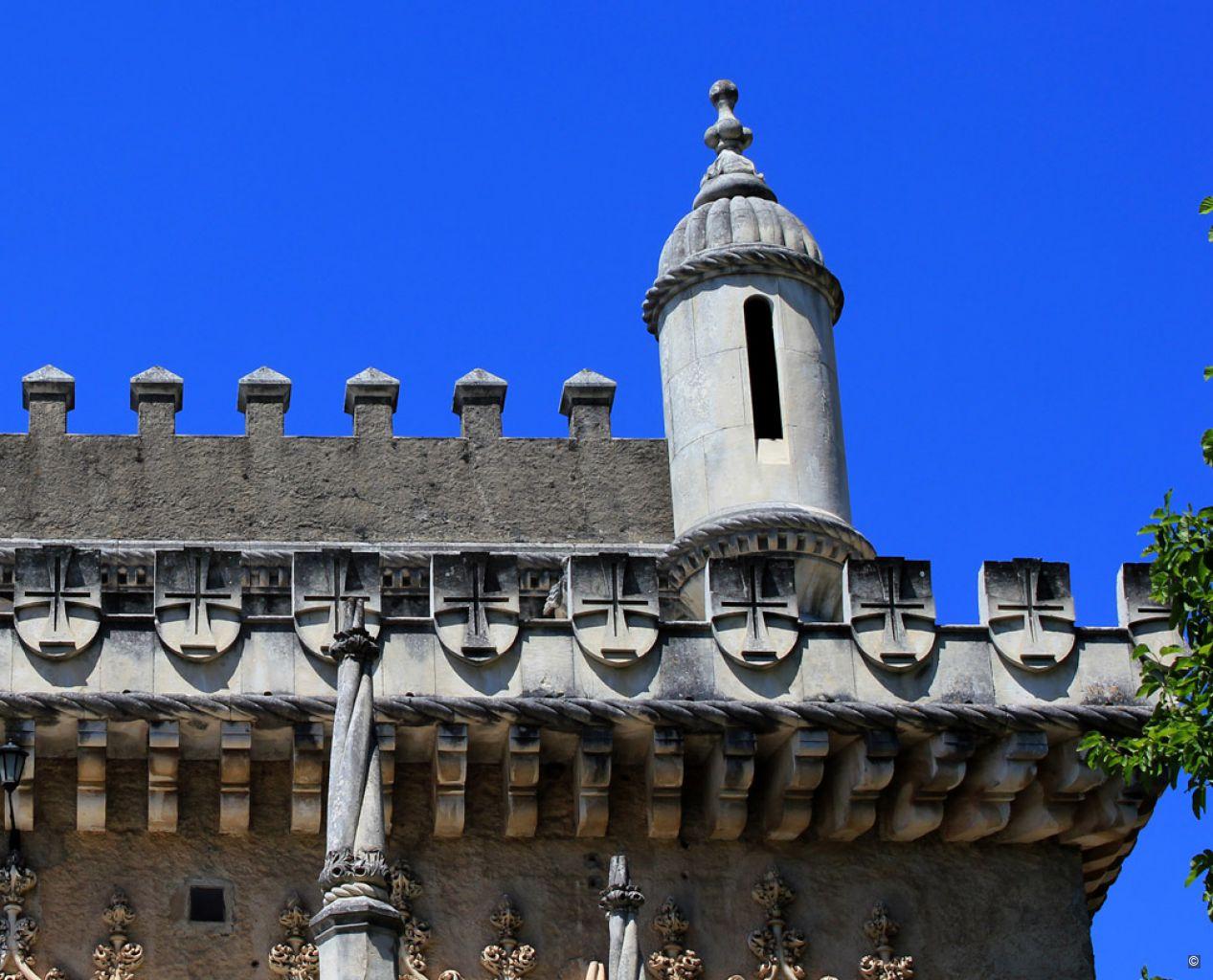
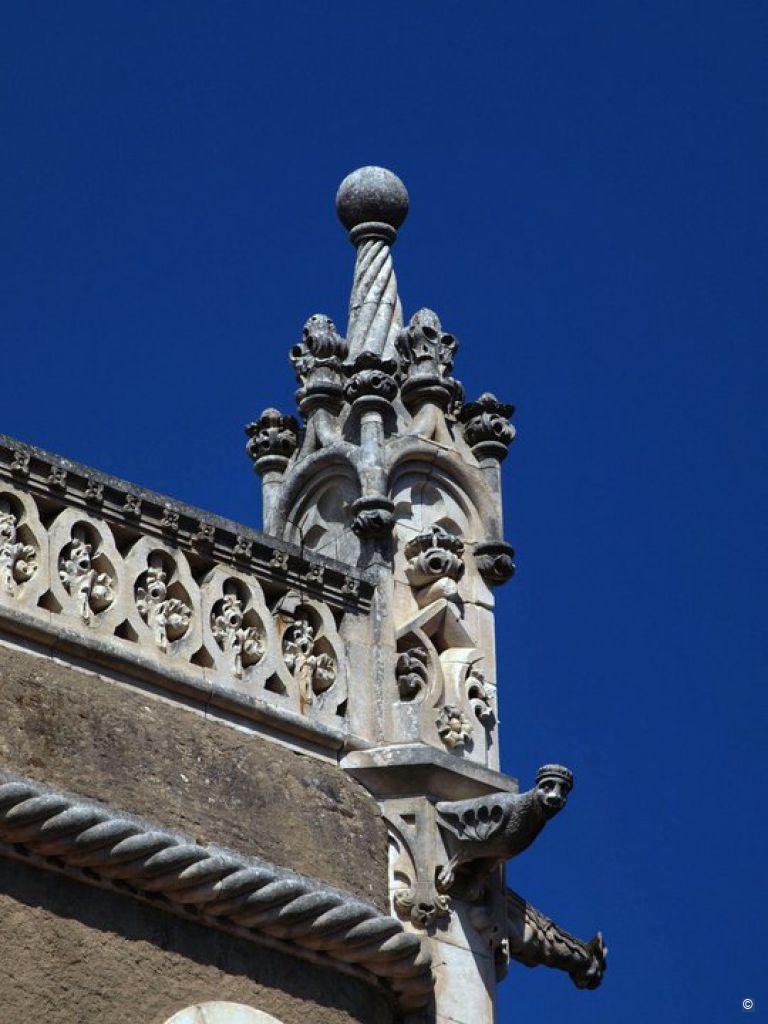
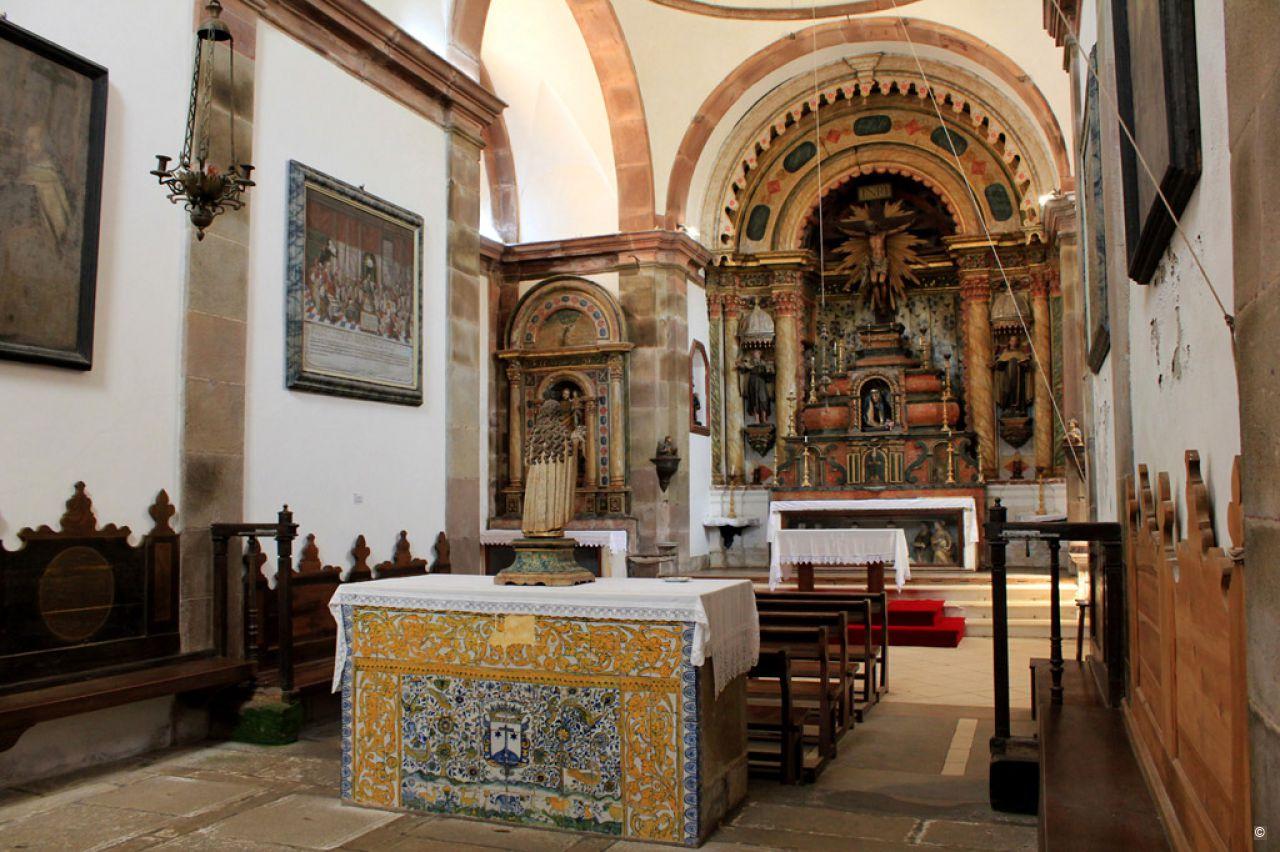
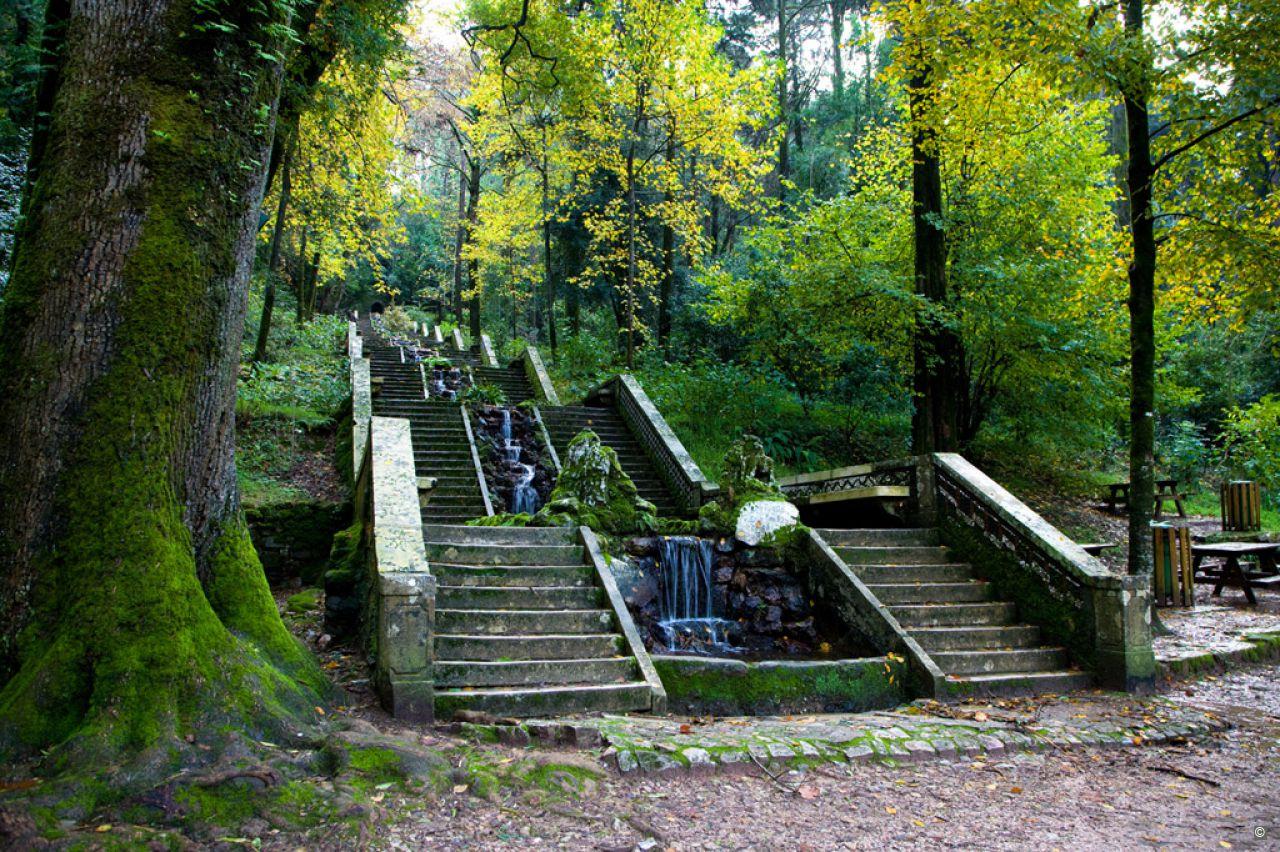
1620 - the Barefoot Carmelite created a “Bos Sacrum” in a walled forest of 105 acres, on the Bussaco Mountain, north of Coimbra, supposed to represent “Mount Carmel” and the “Earthly Paradise”. Following the dissolution of the monasteries in 1834 the forest was abandoned. 1850 - plans followed to turn the ancient convent into a royal residence for Queen Maria Pia, with luxurious landscape intervention by Roda & Figli (Torino) taking place. Political circumstances interrupted the project that was later commisioned by her grandson King Charles with the construction of the iconic Neo-Manueline castle, from 1888 to 1907, under project of Luigi Manini, as an homage to the Portuguese Age Discovery and the Battle of Bussaco. 1917 it was transformed into the deluxe Bussaco Palace Hotel.
Description:
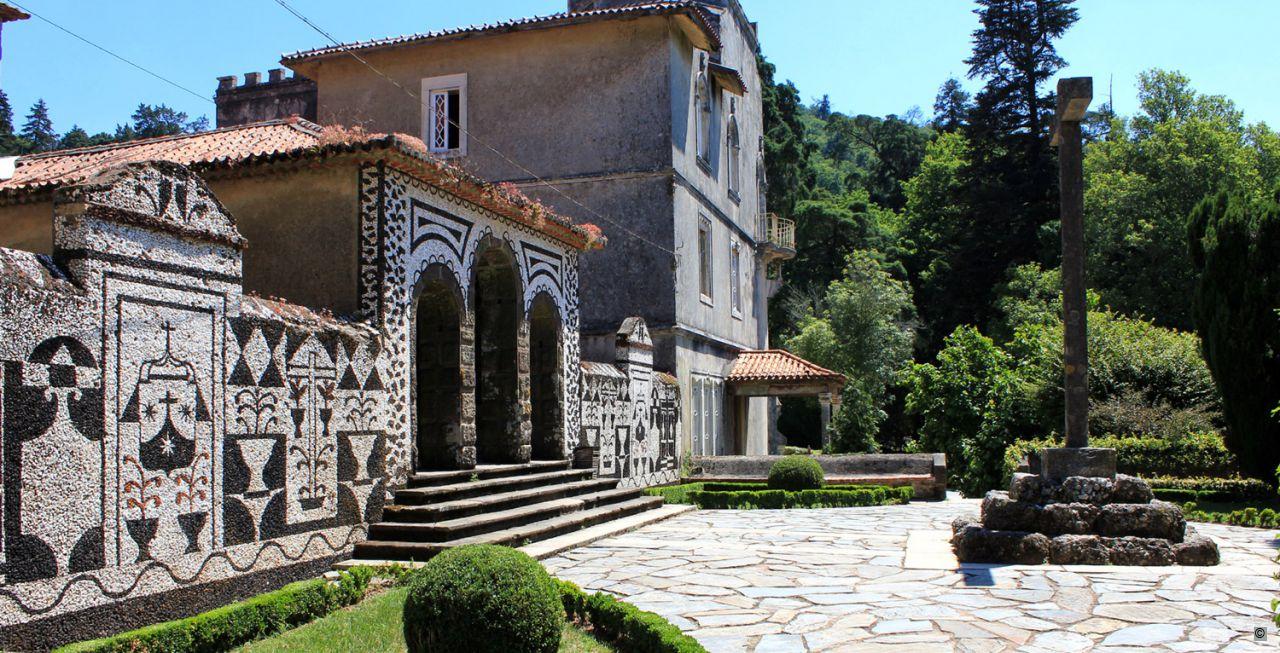
The Bussaco Park and the monastery were created by the Discalced Carmelites (1620–1834). From 1888 to 1930s a new ensemble is erected, with multiple buildings, either close to the former convent, or replacing the convent’s library, kitchen and dining room.
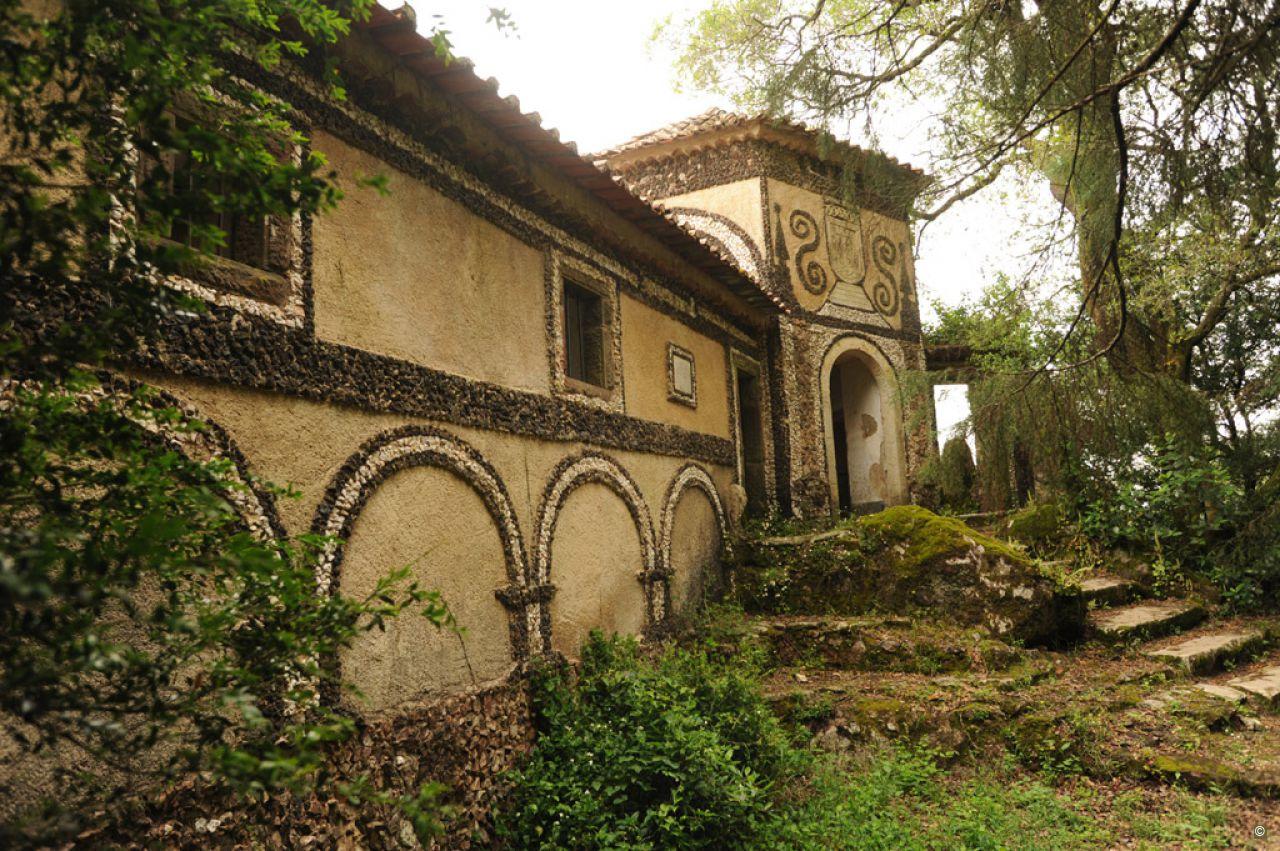
By mid-19th century the forest is revitalized associated to emergent rituals of tourism, journeys and leisure. The design of Buçaco Palace was commissioned by King Charles to Luigi Manini, scenographer and architect. Later on, Nicola Bigaglia, José Alexandre Soares and Norte Júnior also cooperated, namely in the Casa dos Embrechados, Casa dos Arcos, Casa dos Cedros and Casa dos Brasões. The final result reflects a fragmentary romanticist attitude, deeply marked by revivalism and multiple references to the Portuguese Discoveries.
Citation of this web page:
Alexandre d'Almeida, Marta Simões "Monumental Ensemble of Bussaco" in "Sharing History", Museum With No Frontiers, 2026.
https://sharinghistory.museumwnf.org/database_item.php?id=monument;AWE;pt;17;en
Prepared by: Alexandre D'Almeida, Marta Simões
MWNF Working Number: PT 024
Related Content
On display in
Exhibition(s)
Sharing History
Travelling | Visiting And “revisiting” The Orient | Revisiting The Orient In Europe – Orientalist ArchitectureDownload
As PDF (including images) As Word (text only)