

 Back
Name of Object:
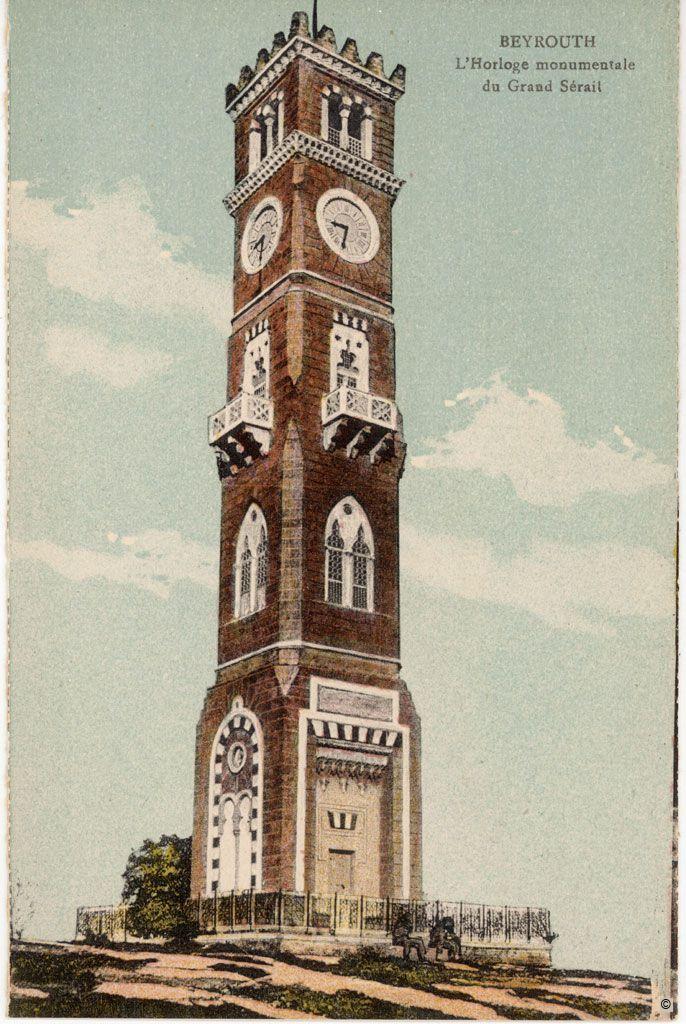
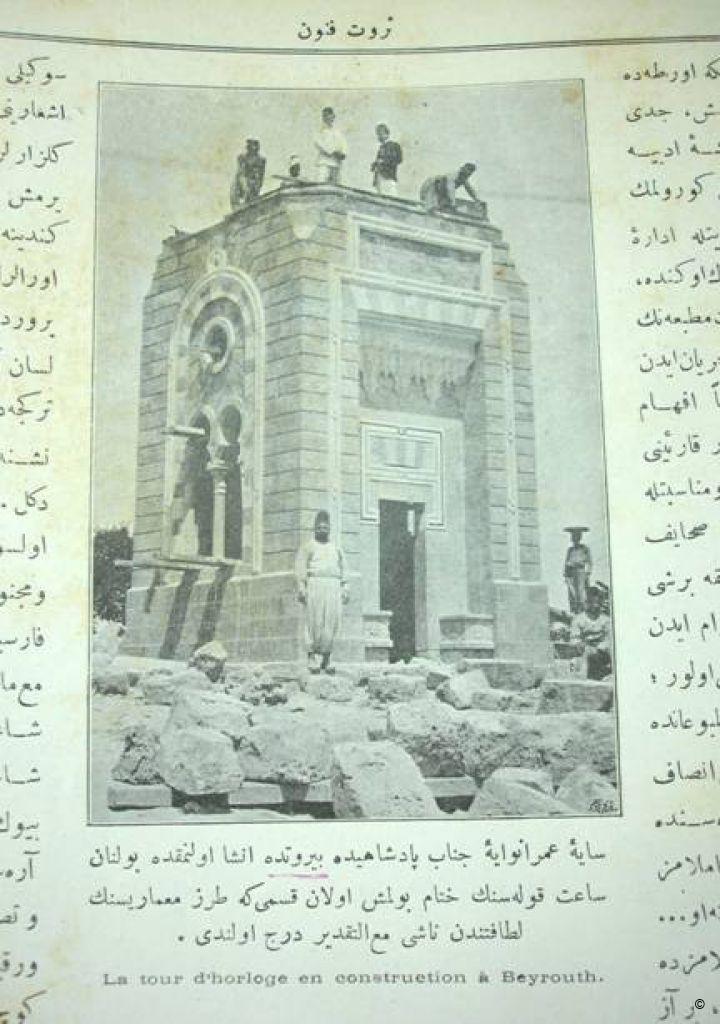
Clock tower, Beirut
Location:
Berlin, Germany
Holding Institution:
Museum of Islamic Art at the Pergamon Museum, State Museums
 About Museum of Islamic Art at the Pergamon Museum, State Museums, Berlin
Date of Object:
1900
Description:
In the Ottoman provinces, clock towers became part of the urban space in the 19th century. These monuments allowed a certain control of time and symbolized "modernity". But they also functioned as imperial monuments. Beirut’s clock tower was for instance built near the Grand Serail to celebrate the anniversary of the Ottoman Sultan Abdülhamid’s [`Abd al-Hamid II]accession to the throne. So clock towers might be the most telling symbol of the presence of a new political order in the wake of the Tanzimat. Designed by Youssef Aftimus, the tower is 25 m tall, which made it the tallest piece of architecture in Beirut at the time of its completion.
Type of Object
Photograph; postcard
Citation of this web page:
Stefan Weber "Clock tower, Beirut" in "Sharing History", Museum With No Frontiers, 2026.
https://sharinghistory.museumwnf.org/database_item.php?id=object;AWE;de;17;en
Prepared by: Stefan Weber
MWNF Working Number: DE 017
Related Content
On display in
Exhibition(s)
MWNF Galleries
Prints and drawingsDownload
As PDF (including images) As Word (text only)